A poncho liner - the woobie - does more work outside a sleeping bag than in one: it turns into a rain hood when snapped to a ripstop poncho, a field pillow, a tailgate throw, a dog blanket, and an emergency insulation layer once you actually use the tie tabs sewn into every corner. Most of what people miss about the poncho liner in 2026 isn't the fabric, it's the attachment points nobody bothers to use.
- A poncho liner (woobie) snaps to a ripstop poncho for a hooded rain shell, not just a bedtime blanket.
- Standard size runs 62 x 82 inches, first fielded in 1966 during the Vietnam War.
- Tie tabs at the corners let it double as a field pillow, pack roll, or tailgate throw in 2026.
- Nylon shell survives truck beds and cold ground better than a household blanket does.
- Grunt Style's patriotic gear for camping covers the same outdoor-throw use case without a surplus-store search.
Why this matters
Searches for "poncho liner" run around 14,800 a month in 2026, and most of the content answering that query still treats the woobie as a nostalgia piece for veterans who slept under one in the field. That's half the answer. The liner's tie tabs and grommets exist so it can attach to a poncho, cinch into a hood, or lash to a pack - features that go unused if it stays folded in a duffel bag.
The same versatility logic applies to modern outdoor gear built for the same job. If you want a throw that pulls tailgate and camp-blanket duty without hunting a military surplus shop, patriotic gear for camping and the outdoors covers that use case with current apparel instead of a decades-old design.
How do you use a poncho liner beyond bedtime?
Here's the full list of what a poncho liner does once you stop treating it as just a blanket:
- Rain hood combo - snap the liner's tie tabs to a ripstop poncho's grommets and you get a hooded, insulated rain shell instead of two separate pieces of gear. Buy if you already own or plan to buy the matching poncho.
- Field pillow - roll and stuff the liner into its own hood or a stuff sack for a compressible pillow that beats a rolled-up jacket. Buy for backpacking trips where pack weight matters.
- Tailgate or stadium throw - the quilted fill holds heat on bleachers and folding chairs better than a cotton throw of the same weight. Buy for cold-weather tailgates.
- Truck bed or trunk liner - the nylon shell resists abrasion, so it survives cargo duty and dog rides better than a household blanket. Hold if you need something machine-washable weekly - the shell takes longer to dry than fleece.
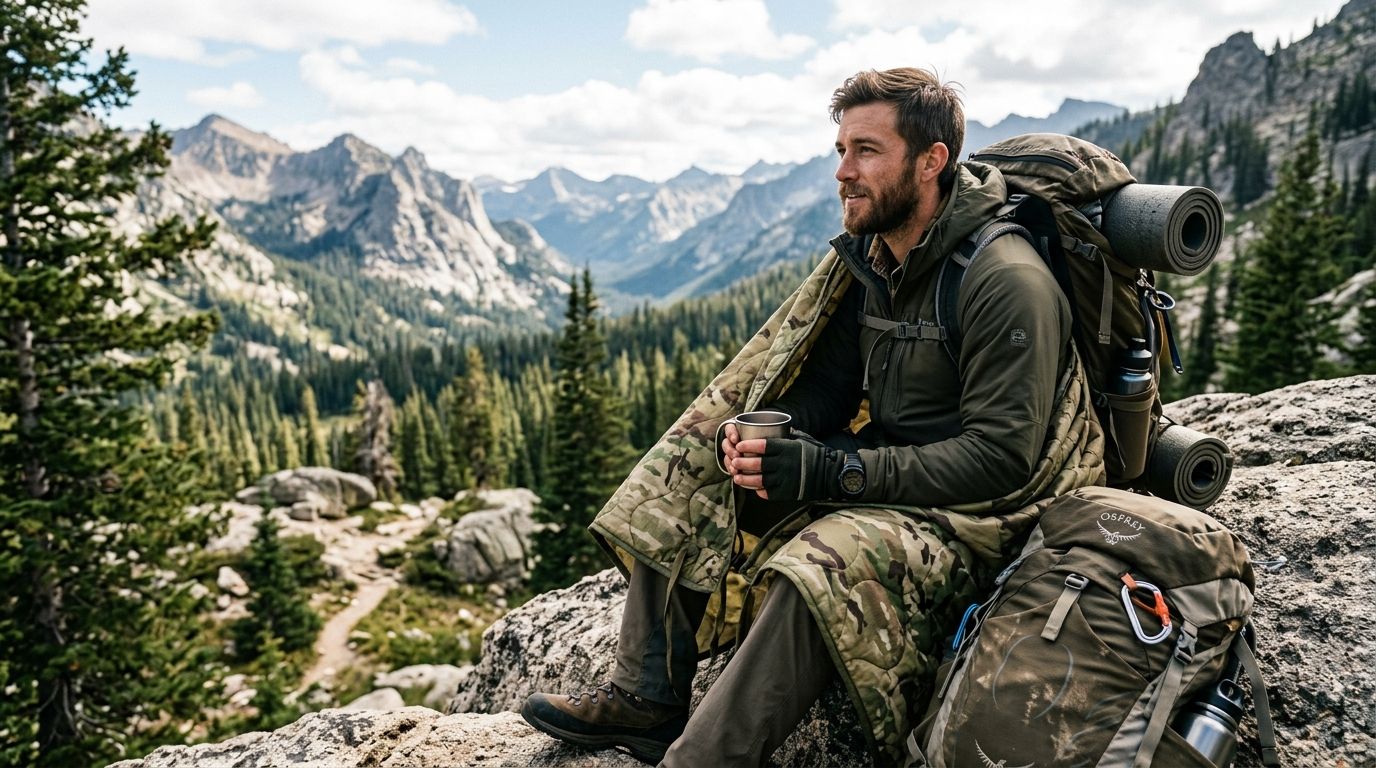
- Emergency layer inside a sleeping bag - draped over or stuffed into a bag, it adds a warmth boost on a cold night without buying a heavier bag. Buy for shoulder-season camping.
- Ground cover or picnic mat - water-resistant enough for a dry seat on damp grass, though it's not fully waterproof like a tarp. Buy for day trips, Skip for standing water.
- Improvised carry wrap or sling - the size and tie tabs let it double as a makeshift gear bundle in a pinch. Hold - this is a backup use, not a reason to buy one.
Why the woobie works for more than sleeping
The design choices that make a poncho liner useful in 2026 are the same ones the military built in for field use decades earlier:
- Tie tabs at each corner and edge snap into a poncho's grommets, turning liner-plus-poncho into a hooded rain shell instead of two loose items.
- Ripstop nylon shell resists abrasion, so it holds up to truck beds, dog crates, and concrete tailgate lots better than a printed cotton throw.
- Quilted fill traps heat efficiently for its weight, which is why a folded liner insulates a cooler or laptop bag as well as it insulates a person.
- Compressible size - 62 x 82 inches folds down small enough for a glovebox or daypack, unlike a full-size household blanket with no packed form.
- Utility colorway (typically woodland or coyote) reads as gear, not decor, which is exactly why it doesn't double as a living-room throw the way a printed blanket does.
- Simple construction with no zippers or buckles means fewer failure points after repeated field use or machine washing.
If you're picking up gear for someone still in uniform rather than a veteran, pair a practical layer like this with something from best gifts for a deployed soldier's care package - packable, functional items travel better than anything bulky.
Is a poncho liner the same thing as a woobie?
Yes, a poncho liner and a woobie are the same item - woobie is the nickname troops gave the quilted liner decades ago, and both terms describe the same 62 x 82 inch piece designed to snap onto a ripstop poncho. The name stuck hard enough that most military surplus retailers list the product under both terms in 2026.
Can you wash a poncho liner without ruining it?
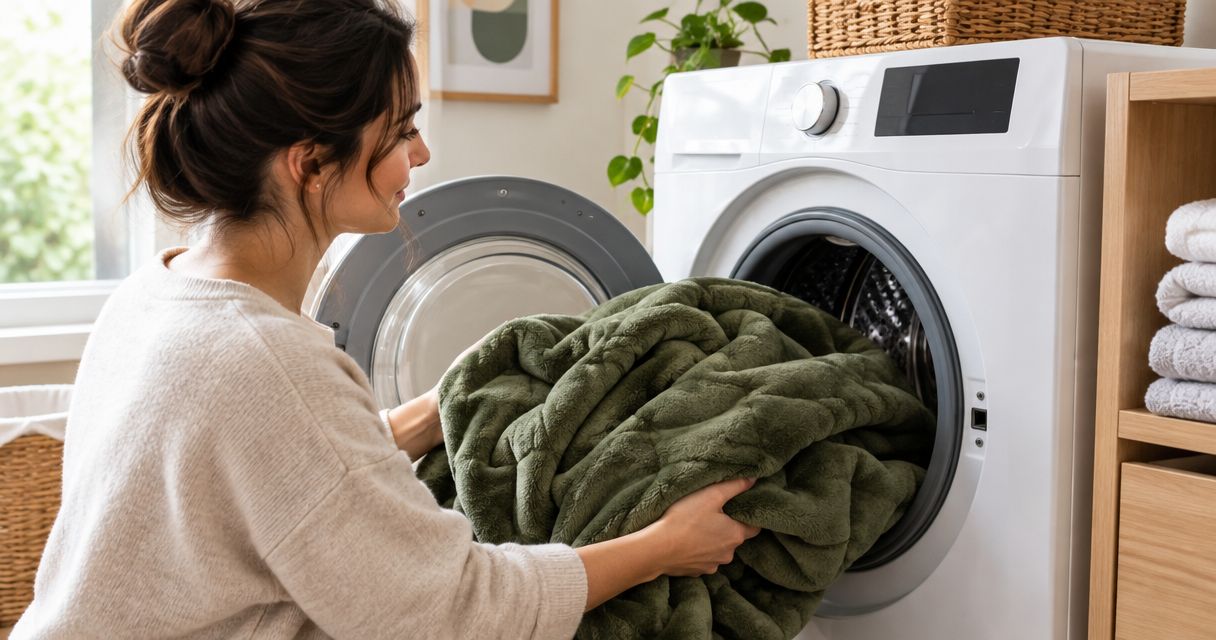
A poncho liner generally holds up to a gentle, cold-water machine wash, though line-drying protects the nylon shell and quilted fill better than high heat. Skip fabric softener - it breaks down the water resistance the nylon shell is built to provide.
Is a poncho liner warm enough for winter camping alone?
A poncho liner alone is not warm enough for below-freezing overnight camping - it's designed as a supplemental layer, not a standalone sleeping system. Pair it with a sleeping bag rated for the actual overnight low rather than relying on the liner by itself.
FAQ
What is a poncho liner used for besides sleeping?
A poncho liner works as a rain hood when snapped to a ripstop poncho, a field pillow, a tailgate or stadium throw, a truck cargo liner, and an emergency layer stuffed into a sleeping bag. The tie tabs sewn into the corners are what unlock these uses beyond a simple blanket.
What size is a standard poncho liner?
A standard poncho liner measures 62 x 82 inches, a size that's stayed consistent since it was first fielded in 1966. That footprint is large enough to cover an adult while folding small enough to fit in a daypack.
Is a woobie better than a regular blanket?
A woobie packs smaller and resists abrasion better than a regular blanket, but a household blanket wins on softness and washability for everyday indoor use. Pick the woobie for travel, truck beds, and outdoor duty; pick a regular blanket for the couch.
Can a poncho liner replace a sleeping bag?
No, a poncho liner cannot replace a sleeping bag for cold-weather camping - it's built as a supplemental insulation layer, not a standalone system. Use it inside or draped over a rated bag for a warmth boost instead.
Why is a poncho liner called a woobie?
Troops nicknamed the poncho liner "woobie" decades ago, and the name has stuck well enough that most retailers use it interchangeably with the official term in 2026. Both names describe the same quilted liner built to pair with a ripstop poncho.
Does a poncho liner work as a picnic blanket?
Yes, a poncho liner works as a picnic or ground mat because the nylon shell resists light moisture better than cotton, though it's not fully waterproof against standing water. It folds smaller than a dedicated picnic blanket, which makes it easier to carry.
How do you attach a poncho liner to a poncho?
You attach a poncho liner to a poncho by tying the liner's corner and edge tabs to the poncho's built-in grommets, which creates a single hooded, insulated shell. This is the setup the liner was originally designed around, not an improvised hack.
One last thing
The reason the woobie is still in circulation nearly six decades after it was first issued isn't nostalgia - it's that nothing since has matched its packed-size-to-warmth ratio for the price, which is why campers, truck drivers, and tailgaters keep adopting a military design built in 1966 for reasons that have nothing to do with the military. If you want the same everyday-carry, outdoor-ready mindset in current apparel rather than surplus gear, Grunt Style's lineup of patriotic gear leans on the same practical-over-decorative logic.