CrossFit and PT athletes need military pt shirts that wick sweat, survive burpees, and still look sharp for formation drills, and that's a different job than a regular graphic tee is built for.
- Poly-blend military pt shirts beat cotton for CrossFit WODs in 2026 — buy poly-blend, skip cotton for daily training.
- Patriotic hoodies work for warm-up and cool-down only; wearing one mid-WOD overheats you by rep 15.
- Stars & Stripes Compression Crew socks ($28.00) help recovery after long PT runs — not a shirt substitute.
- Rotate at least 5 PT shirts a week so sweat and odor don't cut short a $20 tee's life.
- Cold-water washing keeps flag prints from cracking through 2026's PT season.
Why this matters
A PT shirt gets more abuse in a month than a going-out tee gets in a year: sweat, sun, sanitizer, dryer heat, and repeat washes. Buy the wrong fabric or fit and you're re-buying shirts every 8-10 weeks instead of every season.
Grunt Style built its lineup around apparel that survives that cycle, and the boot camp PT shirts page is a good starting point if you're outfitting a whole group for graduation week or a training cycle.
Why military pt shirts matter for CrossFit and PT training
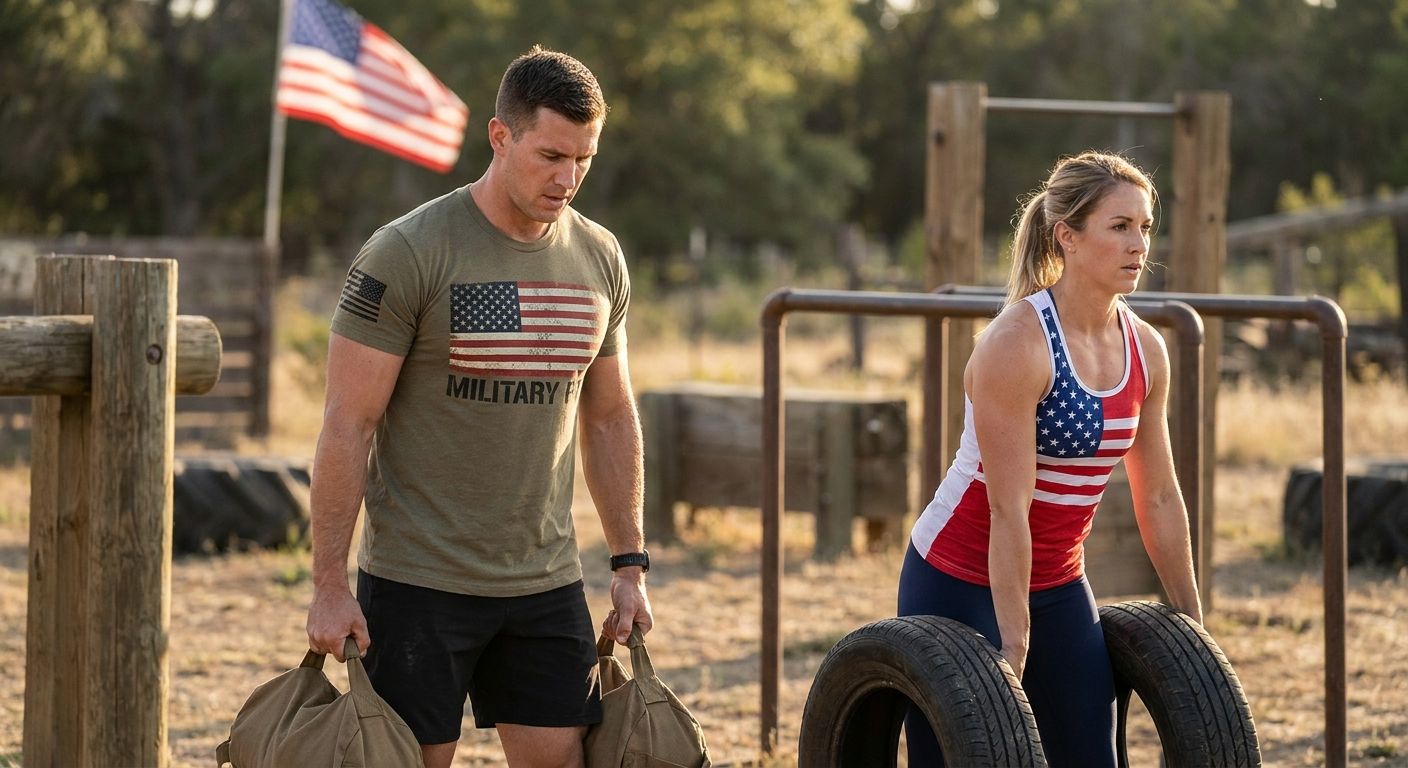
CrossFit and PT workouts stress a shirt in ways a desk job never does: overhead presses pull at the shoulder seams, rope climbs abrade the chest panel, and burpees soak the whole thing in under 10 minutes. A shirt with patriotic branding also does double duty for units and gyms that build identity around flag colors and unit pride during PT formation.
The fabric decision matters more than the print. A tee that traps heat costs you reps by round three of a WOD; a tee that dries fast keeps your heart rate and your grip where they need to be.
Pick moisture-wicking fabric over cotton
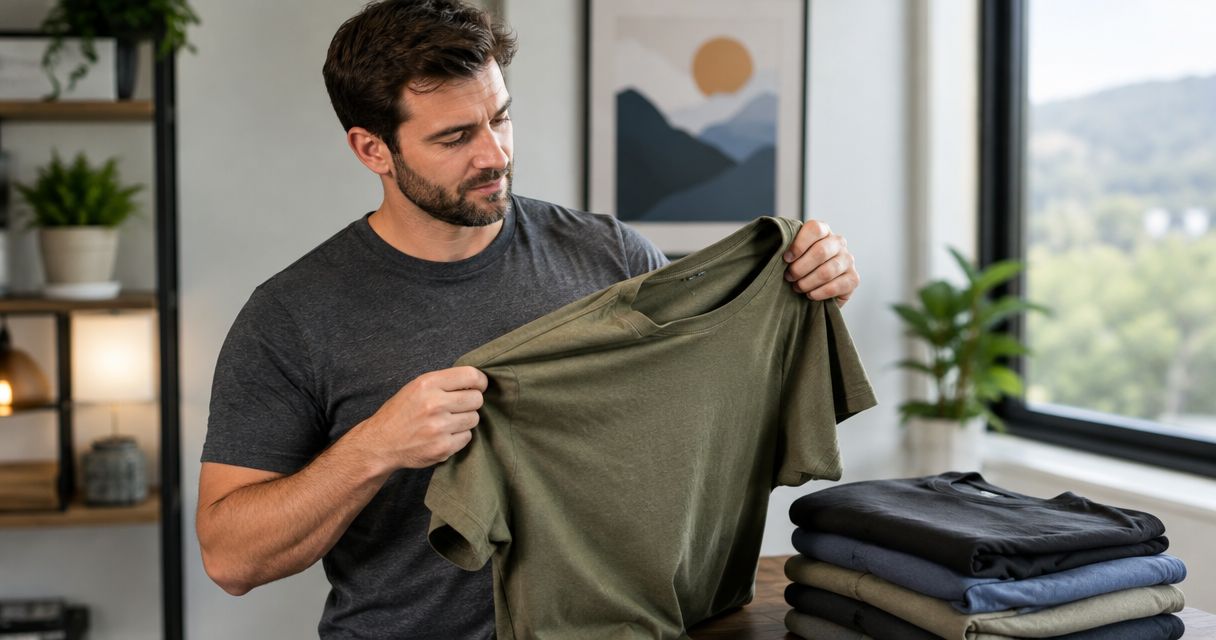
Cotton absorbs sweat and holds it, which adds weight to the shirt and keeps your skin wet through the whole session. Poly-blend and tech fabrics pull moisture to the surface and let it evaporate, which is why most PT programs moved away from cotton tees years ago.
- Choose poly-cotton or 100% poly blends for anything logged as a WOD, ruck, or timed run
- Save 100% cotton tees for post-workout or off-duty wear only
- Check the tag for a four-way stretch blend if your training includes overhead lifts
- Avoid heavyweight cotton for anything over 20 minutes of sustained effort
- Test one shirt through a full sweat cycle before buying five of the same style
Choose a fit that survives burpees and overhead presses
A shirt that's too tight restricts your shoulder mobility on presses and pull-ups; one that's too loose bunches under a weight vest or rucksack strap. The right fit sits close through the torso without pulling at the armpit seam on a full overhead reach.
- Try the shirt through a full range of motion, not just a mirror check
- Size up one if you're layering under a plate carrier or vest
- Avoid boxy graphic tees for barbell work — the extra fabric snags
- Pick raglan or set-in sleeves based on which lets your shoulder move freely
- Skip anything with a chest pocket for rope or pull-up-heavy sessions
Layer for cold-weather PT and early runs
Pre-dawn PT in January is a different fabric problem than a July WOD. Layering solves it, but only if the base layer still wicks moisture instead of just adding warmth.
- Start with a moisture-wicking base tee, not cotton, even in cold weather
- Add a cold-weather PT hoodie for the warm-up jog and formation stand-around
- Shed the hoodie once your body temp climbs past the first 10 minutes
- Keep a dry backup tee in your bag for post-workout in freezing temps
- Avoid heavy fleece as a base layer — it holds sweat once you're moving
Add patriotic hoodies for warm-up and cool-down
Hoodies aren't a WOD garment — they're a bookend. Wear one standing in formation before the whistle and again after the cooldown stretch, then take it off once you're working.
- Use a hoodie for the walk to and from PT, not the workout itself
- Pick a mid-weight hoodie so it doesn't overheat you during warm-up drills
- Match unit or gym colors if your group tracks that for morale
- Store it in a gym bag, not tied around your waist during lifts
- Rotate two hoodies through the week so one is always dry for the next session
Rotate colors and stock for unit PT standards
Many units and CrossFit boxes run color-coded PT days — gray for strength days, colored tees for conditioning, and so on. Building a rotation ahead of time beats scrambling the night before.
- Stock at least 5-7 PT shirts so laundry day never leaves you short
- Separate your "formation-approved" colors from casual patriotic prints
- Keep one spare tee in your gym bag for a surprise second session
- Label or separate gear if you're outfitting a squad, not just yourself
- Replace any shirt with a cracked print before it becomes the one you can't wear to formation
Build a capsule wardrobe for the week
A tight PT rotation means fewer decisions and less laundry stress. The goal is enough variety to survive a full training week without repeating a still-damp shirt.
- Plan around 3 tee weights: lightweight for summer, mid-weight for spring/fall, hoodie layer for winter
- Pair shirts with a fixed set of shorts or pants so mornings move fast
- Check the patriotic wardrobe capsule approach if you want a full-week system, not just shirts
- Keep one "clean and ready" shirt reserved for inspection or graduation days
- Reassess the rotation every season as weather and PT schedule shift
Care for prints so sweat and washing don't fade them
Flag graphics and unit prints take the most damage from heat, not from the workout itself. Hot dryers and hot washes crack vinyl and screen prints faster than sweat ever will.
- Wash in cold water, inside out, to protect the printed side
- Skip the dryer's high-heat setting — air dry or use low heat only
- Avoid bleach or fabric softener on printed panels
- Wash PT shirts within a few hours of a hard sweat session, not days later
- Separate dark and light PT shirts to stop color bleed from repeated hot-weather washes
Comparison: PT shirt and layering options
| Option | Best For | Price | Key Limitation |
|---|---|---|---|
| Cotton PT tee | Casual off-duty wear | not stated | Soaks through fast, chafes during high-rep sets |
| Poly-blend moisture-wicking tee | Daily WODs and formation PT | not stated | Needs frequent wash to prevent odor buildup |
| Patriotic hoodie | Early-morning warm-up and cooldown | not stated | Overheats if worn through the workout itself |
| Stars & Stripes Lightweight Compression Crew | Recovery after long PT runs | $28.00 | Not a shirt — doesn't address torso sweat |
Verdict: poly-blend tees win for the actual workout; hoodies and compression socks are support pieces, not substitutes.
Common mistakes CrossFit and PT athletes make
- Wearing the same cotton tee for lifting, running, and rucking instead of matching fabric to the session
- Buying a shirt one size too small "for the look," then losing shoulder mobility on overhead work
- Leaving a hoodie on through the entire WOD and overheating by the second round
- Tossing sweat-soaked prints in a hot dryer and cracking the graphic within a month
- Stocking only 2-3 PT shirts, forcing a damp repeat on the third training day of the week
FAQ
What's the best fabric for military pt shirts?
Poly-blend or poly-cotton moisture-wicking fabric is best for military pt shirts used in CrossFit or PT training in 2026. Cotton holds sweat and adds weight, which slows you down past the first 10 minutes of a workout.
Are patriotic hoodies good for CrossFit workouts?
Patriotic hoodies work best for warm-up and cool-down, not the workout itself. Wearing one through a full WOD traps heat and overheats most athletes well before the session ends.
How many PT shirts should I own?
Stock 5-7 PT shirts so laundry never leaves you short mid-week. Units and gyms running daily formation PT need enough rotation to always have a dry, clean shirt ready.
Do compression socks help with PT and CrossFit recovery?
Compression socks support recovery after long runs or rucks but don't replace a moisture-wicking shirt. They address leg fatigue and circulation, not torso sweat management.
How do I stop flag prints from fading on workout shirts?
Wash PT shirts in cold water inside out and skip high-heat drying. Heat, not sweat, is what cracks screen-printed and vinyl flag graphics fastest.
Is cotton or poly-blend better for military PT shirts?
Poly-blend wins for active training because it wicks sweat and dries fast, while cotton absorbs moisture and holds it against the skin through a full session.
What should I wear for cold-weather morning PT?
Layer a moisture-wicking base tee under a mid-weight patriotic hoodie, then shed the hoodie once your body temp climbs in the first 10 minutes of movement.
How often should I replace a PT shirt?
Replace a PT shirt once the print cracks or the fabric loses stretch, which for heavy daily use often lands between 8-10 weeks depending on wash frequency.
One last thing
The print is usually the first thing to fail on a PT shirt, not the fabric — a cold wash and a low-heat dry routine will outlast a better shirt washed carelessly. Match the fabric to the session, not the graphic to your mood, and your PT rotation lasts a full training cycle instead of a single season.