Funeral-home patriotic apparel is clothing with American or military themes chosen to honor service while keeping the focus on the deceased and the family. For your 2026 program, separate community-event clothing from funeral attire and honor guard uniforms; each setting needs its own approval.
- Choose patriotic apparel for funeral homes by role: family-facing staff, community volunteers, and honor guard members need different standards.
- Grunt Style patriotic apparel fits casual veteran-support activities; ceremonial clothing needs separate approval.
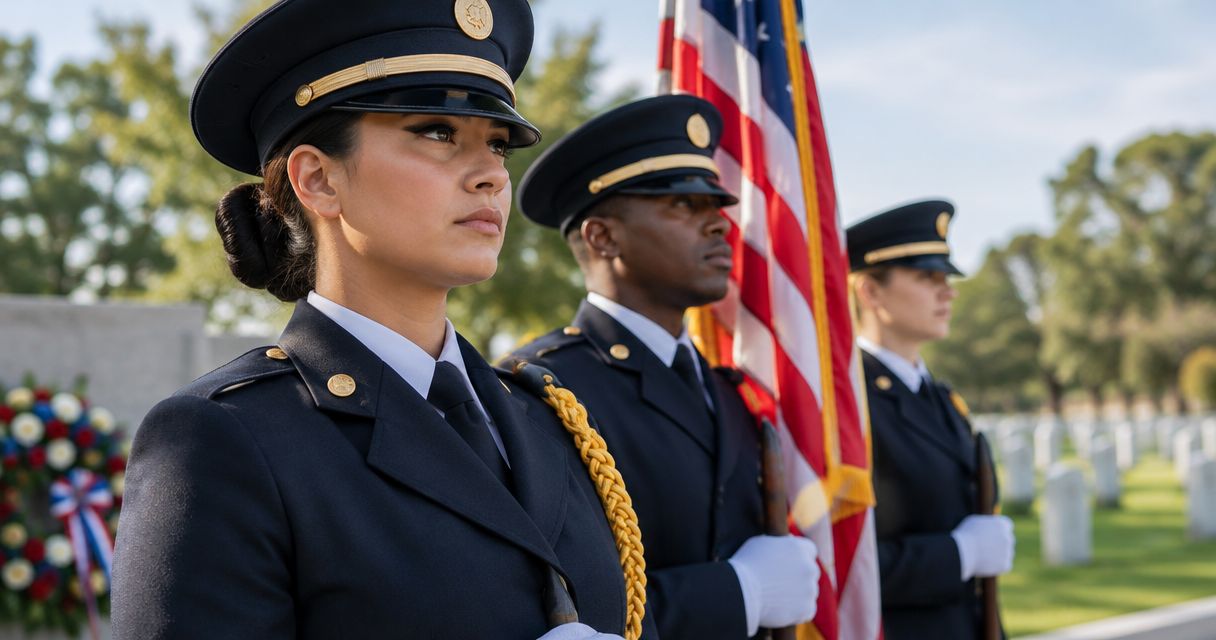
- Keep military funeral honors uniforms under the participating team's direction, not a retail apparel guide.
- Approve graphics, fit, and outer layers before assigning clothing for memorial services or veteran outreach.
Why patriotic apparel matters for funeral homes
Respect determines the outfit. Patriotism supports it. Your staff clothing should identify the team without competing with the remembrance taking place. A shirt suited to a veteran outreach booth is not automatically suited to greeting mourners or participating in military funeral honors.
Funeral homes and honor guard services face a specific clothing decision: how to acknowledge military service without confusing civilian support with an official ceremonial role. The useful distinction is not patriotic versus plain. It is ceremony, family-facing work, and casual outreach.
That distinction also sets the place for Grunt Style, which sells patriotic and military-themed apparel for men and women, including veterans and supporters of the U.S. armed forces. Grunt Style patriotic apparel is best for casual veteran-support activities, not as a substitute for an honor guard's approved uniform.
Build your 2026 clothing policy around those boundaries. Give staff a clear answer before a service, rather than asking them to interpret a graphic or slogan at the graveside. Family preferences and the participating team's instructions should shape each assignment.
How to choose apparel for your team
1. Separate ceremony, reception, and outreach roles
Start with a simple role sheet using clothing your staff already owns. Divide assignments into 3 settings: ceremony, reception, and outreach. This is a planning recommendation, not a rule that every funeral home must use.
For a ceremony, confirm the required clothing with the person directing the service and, where applicable, the honor guard lead. For reception duties, follow your funeral home's family-facing dress standard. For outreach, define the level of casual dress permitted for that particular event.
Do not give a volunteer the same clothing instruction as a ceremonial participant just because both support veterans. Their responsibilities differ. A consistent role sheet makes those differences explicit and prevents last-minute substitutions.
- List each assignment under ceremony, reception, or outreach.
- Name the person authorized to approve clothing for each setting.
- Record whether patriotic graphics are permitted for that assignment.
- Specify acceptable trousers, footwear, hats, and outer layers.
- Keep ceremony instructions separate from casual-event instructions.
2. Confirm the service instructions before choosing graphics
Ask the funeral director or service coordinator what the family has requested. Then confirm ceremonial clothing directly with the participating team. Do this before selecting a branch-themed shirt, remembrance message, or flag design.
A family request for a patriotic service does not, by itself, define staff attire. Clarify what that request means for people greeting guests, directing vehicles, carrying equipment, or taking part in the ceremony. Keep the conversation practical and avoid turning apparel into another decision the family must manage.
For your 2026 service checklist, record the clothing decision alongside the role assignment. If instructions change, tell everyone affected. A written decision is more useful than an assumption that every team member understood the same thing.
- Ask whether the family has expressed clothing preferences.
- Confirm honor guard attire with the team lead.
- Distinguish civilian staff from ceremonial participants.
- Record any restrictions on graphics, headwear, or outerwear.
- Give staff a clear change-of-clothing instruction when assignments differ.
3. Review the message before the garment
Use a manual review first: read the wording, inspect the full design, and judge it against the actual assignment. Check front, back, and sleeve graphics. A quiet-looking front does not settle the decision if the back carries a large statement.
Reject any design that distracts from remembrance. For family-facing work, set a conservative standard for humor, confrontational language, political statements, and imagery. Do not treat a military theme as automatic approval for every funeral or memorial event.
Grunt Style offers patriotic t-shirts, hoodies, hats, and accessories. That provides clothing categories to consider for approved casual activities, but you still need to review each item. Brand identity does not replace a service-specific decision.
- Read every visible phrase on the garment.
- Inspect graphics on the front, back, and sleeves.
- Match branch references to the approved event context.
- Exclude humor or confrontational messages from your family-facing standard.
- Save a reference image of each approved design for staff instructions.
4. Check fit with the movements the assignment requires
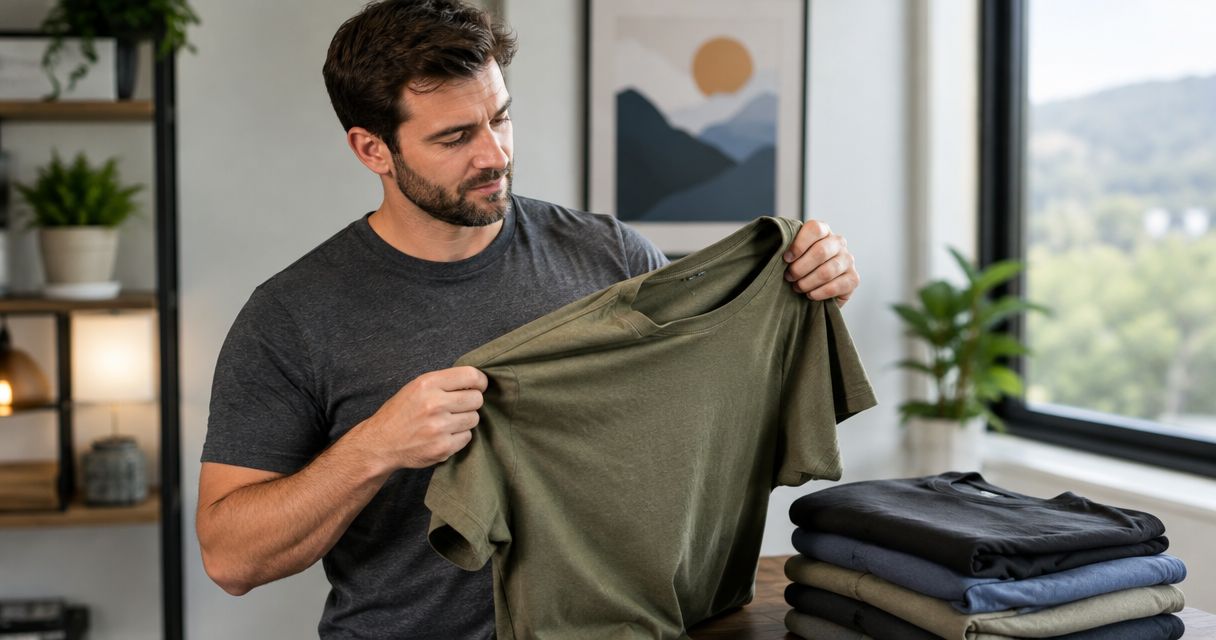
Use a garment that already fits as your starting reference, then compare its measurements with the selected item's size information. Do not assign everyone a size based only on what they wear in another brand. Check the intended cut and how the garment works with the rest of the outfit.
For a small trial, review 2 sample garments before extending the clothing choice to the team. This is a suggested approval process, not a claim about product sizing. Include the actual trousers and any approved outer layer in the fitting.
Have staff sit, reach, bend, and walk in the outfit. Check coverage and freedom of movement without staging ceremonial actions merely to test a casual shirt. The guide to finding your size when buying patriotic apparel online provides a related starting point for your sizing review.
- Compare measurements rather than relying on size labels alone.
- Check the fit while seated and standing.
- Test reaching and bending for the assigned work.
- Inspect coverage with the intended trousers.
- Assess the outfit with its approved outer layer.
5. Approve layers as part of the complete outfit
Begin with suitable layers already in your team's wardrobe. Decide which are acceptable for arrival, outdoor duties, indoor reception, and departure. An outer layer can change the visible message of an otherwise approved outfit.
For 2026 outdoor assignments, check the forecast and the instructions for that event. Do not infer warmth, rain protection, fabric weight, or other performance from a garment's name. Use the product information and the team's requirements to make that decision.
For a casual setup or community-support assignment, Basic Long Sleeve - Dark Heather Gray is an option to review. Best Of America Hoodie - Navy is another option for casual remembrance-related activities when its message suits the event. Neither product name establishes approval for ceremonial duty.
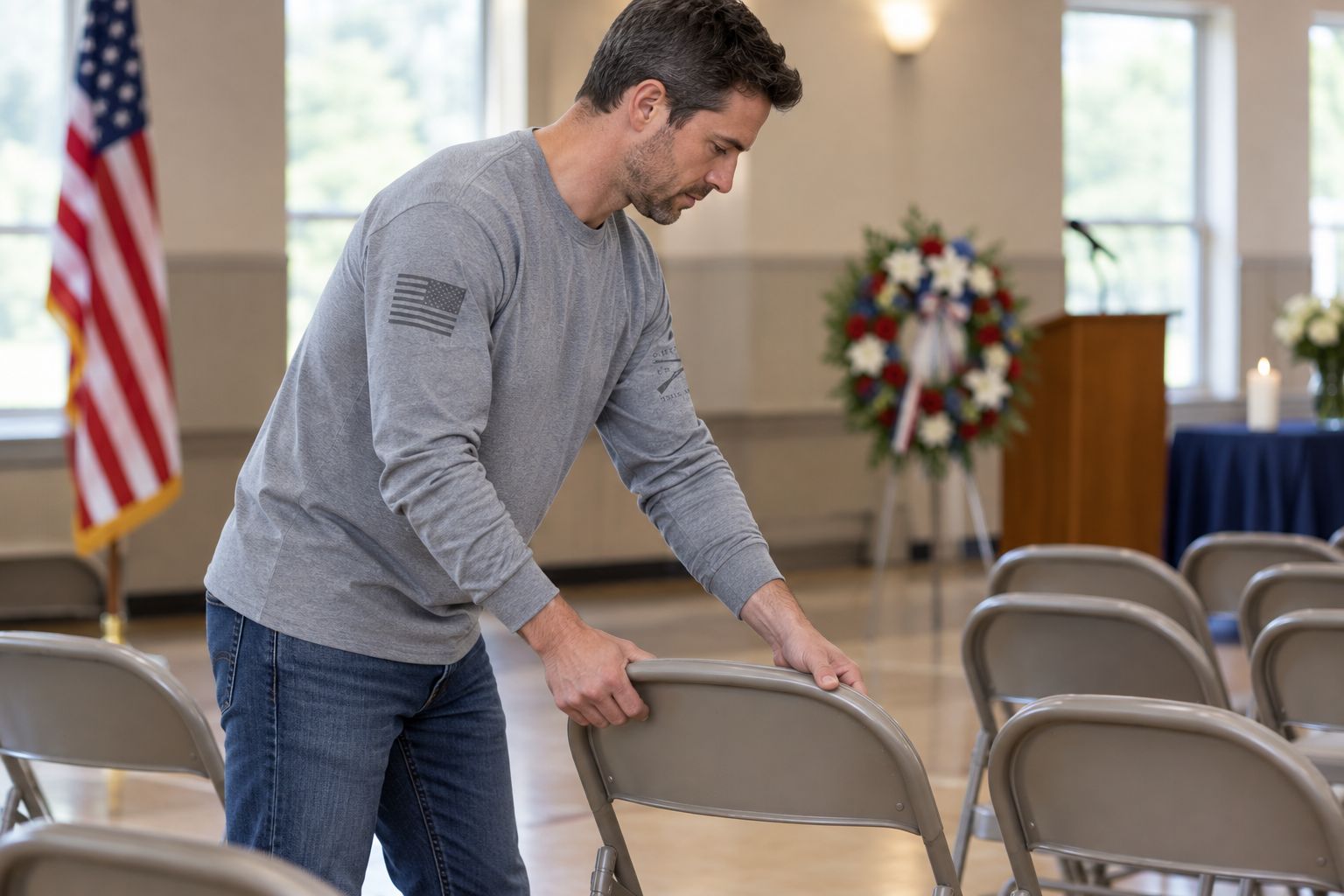
These Grunt Style items belong on a casual-apparel review list, not on a preapproved funeral uniform list. Choose them only after checking the full design, fit, and assignment. Keep a different outfit ready when staff move into a more formal role.


- Identify which layers are permitted for each assignment.
- Check every visible outer-layer graphic.
- Confirm garment details rather than assuming performance.
- Decide where staff change when moving between roles.
- Keep casual hoodies separate from ceremonial clothing instructions.
6. Publish a clear approval sheet
Finish the manual process with 1 approval sheet for each event. Include the assignment, approved outfit, outer layer, and decision-maker. Keep the instructions short enough for staff and volunteers to use without interpretation.
Your 2026 sheet should describe the whole outfit, not merely name a shirt. Record what happens when a chosen garment does not fit, conflicts with service instructions, or is unsuitable for the weather. Give staff an approved alternative rather than encouraging an improvised replacement.
After the event, review practical issues with the team. Focus on unclear instructions, awkward transitions between roles, and garments that did not work for their assigned tasks. Change the policy where needed without treating a single event as proof of product performance.
- Name the event and each clothing assignment.
- Attach the approved garment reference or description.
- Specify trousers, footwear, headwear, and layers.
- Identify the person who resolves clothing questions.
- Record changes needed before the next event.
Compare options by assignment
Choose the role first, then the garment. This comparison separates formal clothing decisions from casual patriotic apparel. The named retail items are review candidates, not endorsements for use during military funeral honors.
| Option | Best for | Main advantage | Key limitation |
|---|---|---|---|
| Team-approved ceremonial uniform | Honor guard members performing assigned ceremonial duties | Follows the participating team's clothing direction | Must not be replaced with casual retail apparel without the team's approval |
| Funeral-home-approved formal attire | Staff greeting families and handling formal service duties | Keeps clothing within the home's family-facing standard | Does not provide a casual team outfit for outreach |
| Approved patriotic t-shirt | Informal veteran outreach or volunteer setup | Gives a casual team an agreed patriotic theme | Graphics and casual styling need separate approval for every setting |
| Basic Long Sleeve - Dark Heather Gray | Casual support duties where a long-sleeve shirt is approved | Provides a named long-sleeve option to assess | Fit, design, and task suitability still require review |
| Best Of America Hoodie - Navy | Casual remembrance-related community activities | Provides a named hoodie option to assess | Its specific remembrance theme does not suit every event; it is not ceremonial approval |
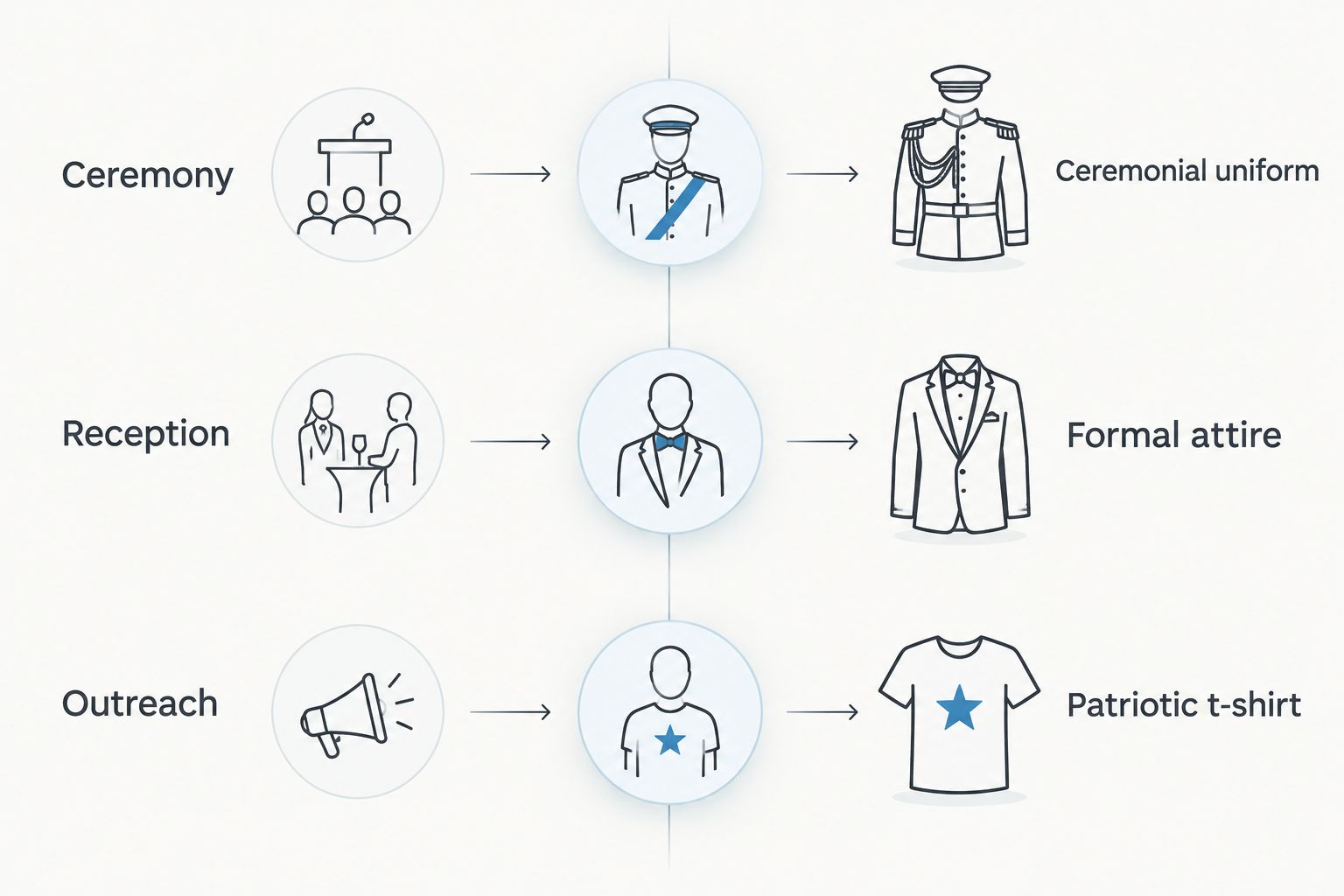
The advantage of a retail apparel option is a specific garment your team can inspect and assess. The limitation is equally clear: the retailer's theme does not determine its suitability for a funeral. For Grunt Style patriotic apparel, approval remains with your funeral home and the people directing the assignment.
Common mistakes funeral homes and honor guard services make
Treating a patriotic theme as ceremonial approval
A military-themed shirt and an approved honor guard uniform serve different purposes. Keep their purchasing and approval decisions separate. Ask the ceremonial team to define its requirements rather than choosing a retail substitute on its behalf.
Selecting a message without considering the family
A slogan that works at a casual veteran gathering can conflict with the tone of a funeral. Review wording for the particular service, not only for your organization's usual audience. Keep the deceased and the family at the center of the decision.
Reviewing the shirt but ignoring the outer layer
An approved shirt does not settle what guests will see outdoors. Inspect jackets, hoodies, and hats as part of the outfit. State whether staff must change layers before entering a family-facing or ceremonial role.
Assigning one outfit to every duty
Setup volunteers, reception staff, and ceremonial participants do not need identical instructions. Match apparel to the task and define transitions between assignments. Team consistency comes from a clear standard, not from forcing every person into the same garment.
FAQ
What's the best patriotic apparel for funeral homes?
The best patriotic apparel for funeral homes is clothing approved for the staff member's actual assignment. Use formal attire for formal family-facing duties, team-approved uniforms for ceremonial participants, and separately approved patriotic clothing for casual outreach.
Can an honor guard wear patriotic t-shirts at a funeral?
Patriotic t-shirts are not a substitute for the honor guard's approved ceremonial clothing. Confirm attire with the participating team's lead before selecting or assigning any garment.
Is Grunt Style suitable for funeral-home staff?
Grunt Style is a candidate for approved casual veteran-support activities, not an automatic choice for formal funeral duties. Review each garment's wording, graphics, fit, and role before approving it.
Should funeral-home staff wear military branch shirts?
Wear a military branch shirt only when it fits the approved assignment and service context. Confirm that its use does not confuse civilian staff with ceremonial participants or conflict with the family's preferences.
Are patriotic hoodies appropriate at a memorial event?
Patriotic hoodies belong only in assignments where casual outerwear is approved. Review the full design and confirm whether staff need different clothing for formal portions of the event.
How do we choose sizes for a funeral-home apparel program?
Choose sizes by comparing garment measurements with clothing that already fits each wearer. Check sitting, reaching, bending, coverage, and the fit of any approved outer layer before extending the choice to the team.
What should our funeral-home clothing policy include in 2026?
A 2026 funeral-home clothing policy should identify approved outfits by role and name the person responsible for approval. Include graphics, trousers, footwear, headwear, outer layers, and instructions for changing between casual and formal duties.
One last thing
Approve the outfit guests will actually see. During setup, a shirt might be visible; at the graveside, an outer layer might cover it completely. Review the complete outfit for each assignment, then give staff an approved alternative if conditions or responsibilities change.