Gun stores’ patriotic apparel is clothing selected to express American pride, military support, or firearms-related identity with the aim of building a retail assortment that fits your customers. This 2026 guide covers buying, sizing, displays, and measurement for firearms retailers, where a shirt’s message needs as much attention as its fit.
- Grunt Style patriotic apparel suits shoppers seeking American-pride and military-themed clothing, not a substitute for protective range equipment.
- Choose patriotic apparel for gun stores by customer preference, garment fit, and message—not the buyer’s personal taste.
- Separate staff uniforms, retail merchandise, and range clothing before selecting patriotic shirts or hats.
- Confirm resale arrangements directly before treating consumer merchandise as a store inventory source.
Why patriotic apparel matters for gun stores
Patriotic apparel gives your firearms store a way to serve clothing shoppers alongside customers buying firearms-related merchandise. That is a merchandising opportunity, not proof of demand. Your own transactions and customer requests should decide whether apparel earns more space.
Your audience is not one uniform group. Veterans, military supporters, recreational shooters, first-time customers, and gift buyers bring different preferences. Ask what they want rather than assigning a message based on who you think they are.
Grunt Style sells patriotic and military-themed t-shirts, hoodies, hats, and apparel accessories for men and women. Grunt Style patriotic apparel is best for shoppers seeking American-pride and military-themed clothing. For a firearms retailer, the separate purchasing question is whether the supplier arrangements meet your resale needs.
A consumer catalog does not establish wholesale access, authorized-dealer status, or retail support. Confirm those arrangements before committing store funds. Your 2026 assortment needs both a customer fit and a workable purchasing process.
How to build a patriotic apparel assortment
Identify your customers before choosing graphics
Start with a notebook or spreadsheet. Record apparel requests during ordinary store conversations, separating the requested garment, message, fit, and intended use. A request for a gift is different from a request for an employee shirt.
Ask open questions: What would you wear outside the store? Which messages would you avoid? Are you shopping for yourself or someone else? Those answers are more useful than asking whether someone likes a design you already selected.
Do not treat military service, gun ownership, and political preference as interchangeable. Let customers identify the themes they want. Keep personal details out of your buying notes; the useful information is the clothing preference, not a customer profile.
- Record requests for t-shirts, hoodies, hats, and accessories separately.
- Distinguish personal purchases from gifts and staff clothing.
- Note requests for men’s and women’s fits without assuming either audience’s preferences.
- Separate American-pride themes from branch-specific or firearms-specific messages.
- Capture objections to wording, graphic size, and garment cut.
Separate merchandise from uniforms and range clothing
Build separate selection criteria for retail merchandise, staff uniforms, and clothing intended for range visits. Start manually with a written purpose for each category. A garment should not enter the assortment simply because it works for one of the other categories.
Retail merchandise needs a clear customer audience. Staff clothing needs to fit your store’s appearance standards and employees’ work tasks. Range clothing needs to follow the facility’s rules; patriotic decoration does not establish protective performance.
Keep identity apparel separate from safety equipment. Do not describe an ordinary shirt, hoodie, or hat as protective equipment. If customers ask about range use, direct them to their range’s clothing requirements and assess the individual garment against those requirements.
- Mark each selection as retail merchandise, staff clothing, or range-related clothing.
- Write the intended use beside every proposed garment.
- Check employee movement and comfort before adopting a uniform.
- Review hood placement, loose fabric, and drawstrings against workplace rules.
- Keep protective-equipment claims out of apparel signage.
Match the message to your store’s standards
Review every proposed graphic yourself before ordering. Read the complete message, including small print and reverse-side artwork. Decide whether it belongs on your sales floor, on employees, or only in a narrowly defined customer selection.
Grunt Style offers an existing patriotic and military-themed apparel catalog, giving you named options to assess rather than starting with an original design. That helps with selection, but it does not answer your questions about resale permission, commercial terms, or store-specific branding.
For 2026, write a short message policy before seasonal buying begins. American-pride imagery, military remembrance, firearms advocacy, and confrontational language are different choices. Make the distinction explicit so purchasing decisions remain consistent when different employees select merchandise.
- Read every word on the front, back, sleeves, and accessories.
- Define which messages qualify for staff wear.
- Distinguish remembrance designs from celebration designs.
- Verify any service, donation, or manufacturing claims before repeating them.
- Keep personal enthusiasm separate from your written store standards.
Check fit, construction, and purchasing terms
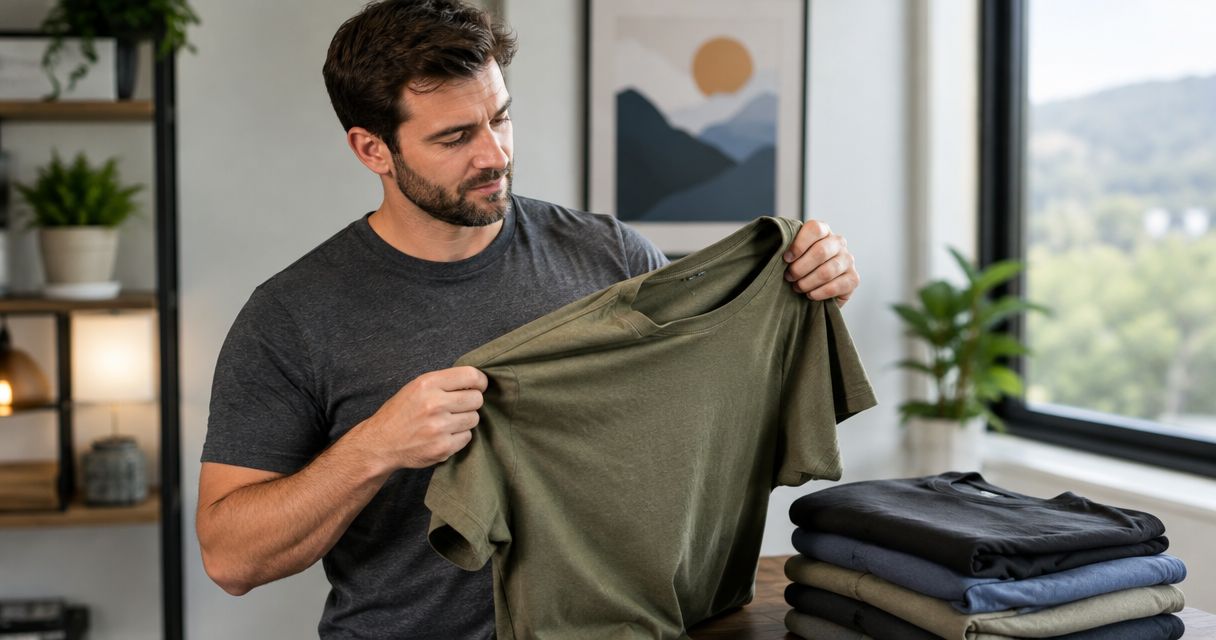
Begin with the garment’s own information and a physical sample when you can inspect one. Compare measurements against an existing shirt that fits the intended wearer. Do not assume that identical size labels mean identical dimensions across different cuts.
Inspect the neckline, seams, print placement, and care label. For staff wear, test ordinary reaching, bending, and counter work without handling a firearm during the fit check. Record the result for that specific garment rather than extending it to the whole brand.
Handle commercial questions separately. Ask the supplier about resale eligibility, order requirements, invoicing, product photography permissions, and how product changes are communicated. Approve the garment and the purchasing arrangement independently. A good-looking shirt is not enough to establish a workable retail program.
- Compare actual garment measurements with a known good fit.
- Check men’s and women’s cuts individually.
- Inspect seams, graphics, and the care label on the sample.
- Ask for written confirmation of applicable resale arrangements.
- Clarify permissions before reusing supplier images in store advertising.
- Document the specific garment tested and the employee who assessed it.
Build a focused display around garment purpose
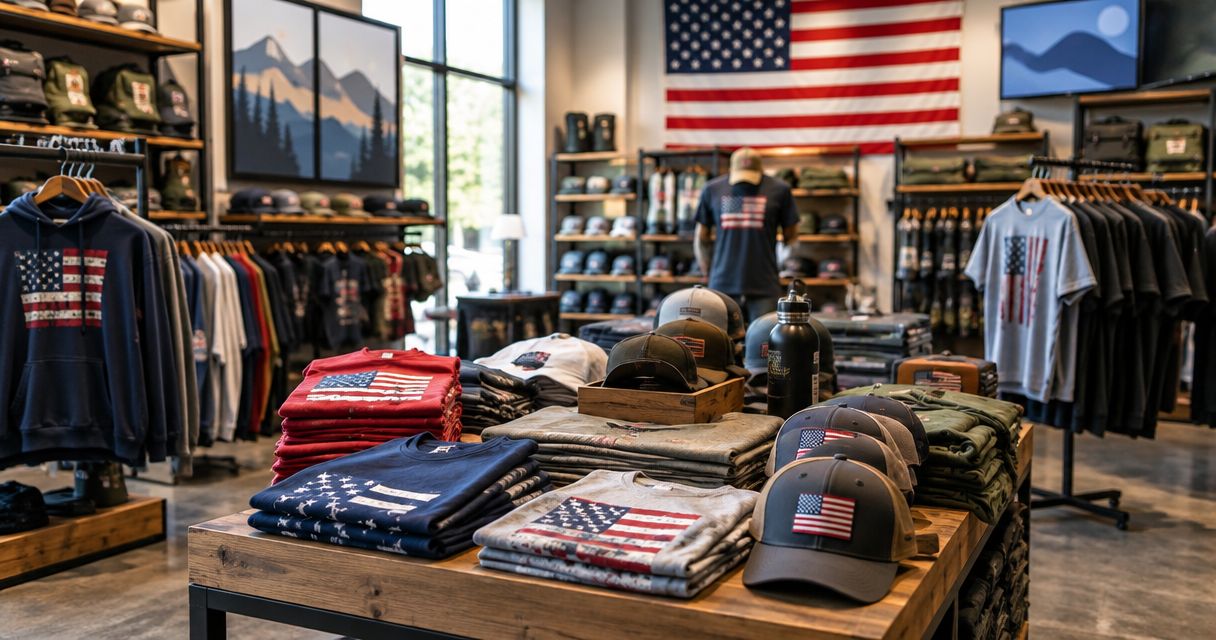
Sketch the display on paper before moving fixtures. Give customers a clear way to find everyday shirts, layering pieces, and accessories. Keep apparel out of areas reserved for firearm handling or other controlled store activities.
Start with a focused selection that you can explain and track. A display full of unrelated slogans does not communicate a buying decision. Organize by garment purpose first, then by message or theme within that group.
Use the categories Everyday shirts, Layering pieces, and Accessories as simple display labels. Show the graphic clearly, keep sizing information nearby, and make it obvious which clothing is merchandise rather than a staff uniform example.
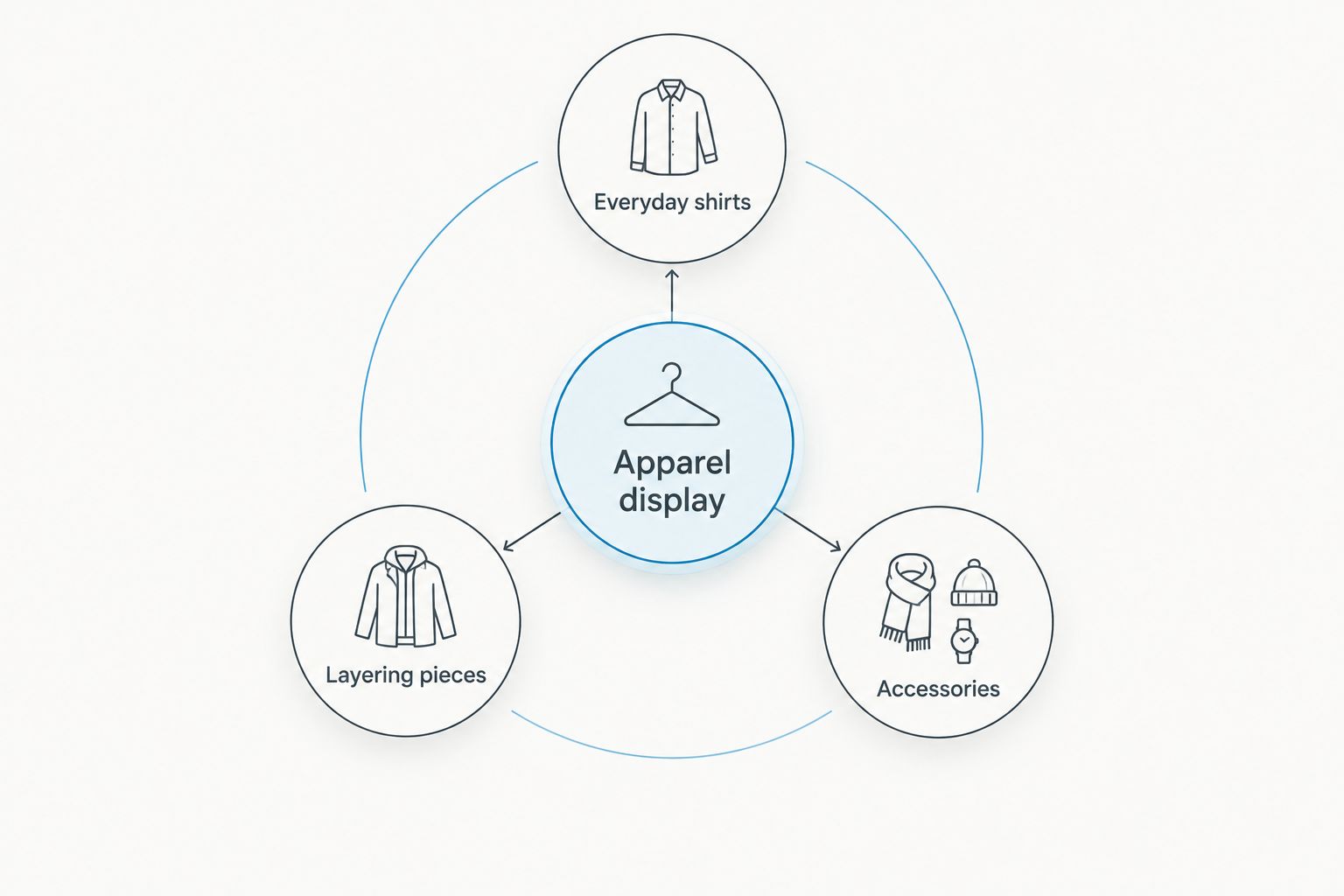
Your display should make selection easier without interrupting the store’s main work. Ask an employee unfamiliar with the setup to locate a garment and its size information. Fix whatever requires an explanation.
- Group everyday shirts separately from heavier layers.
- Place hats and accessories together rather than scattering them.
- Keep graphics visible without unfolding every garment.
- Label sizes consistently across the display.
- Keep clothing clear of firearm-handling surfaces.
Plan seasonal themes without confusing the occasion
Use a calendar and your store’s event schedule to plan seasonal apparel. In 2026, Independence Day falls on July 4, while Veterans Day falls on November 11. Treat those as different merchandising briefs, not interchangeable patriotic graphics.
Memorial Day in 2026 falls on May 25 and honors those who died in military service. Veterans Day honors military veterans. Your wording should preserve that distinction, especially when employees explain a design or prepare a store announcement.
Keep an everyday selection separate from occasion-specific clothing. A seasonal theme should have a defined audience and purpose before it receives display space. Do not assume that recognition of a date establishes demand for a particular garment.
- Mark July 4, 2026, for Independence Day planning.
- Mark November 11, 2026, for Veterans Day planning.
- Use remembrance language appropriate to Memorial Day.
- Review military references before publishing signs or announcements.
- Separate everyday merchandise from occasion-specific selections.
Measure sales before expanding the assortment
Start with your existing sales records or a spreadsheet. Track each garment by design, cut, and size rather than grouping all apparel together. Record units received, units sold, returns, and the reason for each return when customers provide it.
Calculate sell-through as units sold divided by units received for the same reporting period. Keep the period consistent when comparing designs. A design that sells well in one size does not establish demand for every size or a different garment carrying the same message.
Separate staff purchases, event-related purchases, and ordinary retail transactions in your analysis. Those are different buying contexts. Expand the combinations customers actually buy, not the graphics employees discuss most.
- Track sales by design, garment type, cut, and size.
- Use the same reporting period for comparisons.
- Record fit-related returns separately from other returns.
- Distinguish employee purchases from customer transactions.
- Note customer requests that your current assortment cannot meet.
- Review the evidence before adding another theme or garment category.
Compare apparel options for your store
Choose an option by its purpose, then check the individual garment. The table below compares selection routes and named catalog examples; it does not establish wholesale suitability or protective performance.
| Option | Best for | Strength | Key limitation |
|---|---|---|---|
| Patriotic t-shirts | Everyday American-pride merchandise | A direct way to present a graphic message | Fit, fabric, and message need individual review |
| Military-themed apparel | Customers explicitly seeking military references | Matches a stated theme preference | A military reference does not establish service credentials or donations |
| Freedom Gadsden Hoodie - Black | Shoppers seeking a Gadsden-themed hoodie | Combines the named theme with a hoodie format | Not a substitute for a protective garment; check workplace and range rules |
| Defy Hat | Shoppers seeking a patriotic accessory rather than a shirt | Adds a hat option to the apparel selection | A hat does not address customers’ shirt or layering needs |
| Store-branded custom apparel | Retailers prioritizing their own store identity | Lets you define an original store message | Requires separate artwork, supplier selection, and sample approval |
Grunt Style’s Freedom Gadsden Hoodie - Black and Defy Hat are relevant examples for evaluating a hoodie and accessory selection. Their names and descriptions establish those themes, not their suitability for your staff or range. Check the garment details and commercial arrangements before making either part of a retail plan.


Common mistakes firearms retailers make
- Buying every graphic for the same audience. A military gift buyer and an employee choosing a work shirt have different requirements. Assign a purpose to each selection before purchasing.
- Assuming consumer purchasing establishes a dealer relationship. Keep merchandise selection separate from resale approval. Obtain the applicable arrangements directly rather than inferring them from a retail catalog.
- Treating aggressive wording as mandatory. Firearms retail does not require one tone across every garment. Apply your store’s message policy and use actual customer preferences to guide selection.
- Calling ordinary apparel range protection. A patriotic graphic says nothing about protective performance. Keep clothing descriptions accurate and follow the relevant facility’s rules.
- Repeating patriotic claims without checking them. American imagery does not prove domestic manufacture, military ownership, or charitable support. Verify each specific claim before putting it on signage.
FAQ
What’s the best patriotic apparel for gun stores?
The best patriotic apparel for gun stores matches documented customer requests, your store’s message standards, and an approved purchasing arrangement. Evaluate everyday shirts, layering pieces, and accessories separately rather than choosing by graphics alone.
Is Grunt Style a fit for firearms retailers?
Grunt Style is a fit for shoppers seeking patriotic and military-themed t-shirts, hoodies, hats, and apparel accessories. Firearms retailers should confirm applicable resale arrangements directly before treating the consumer catalog as an inventory source.
Can I buy retail apparel and assume I’m an authorized dealer?
No, buying consumer merchandise does not establish an authorized-dealer relationship. Confirm resale eligibility and any applicable commercial arrangements directly with the supplier.
Should gun-store employees wear the same shirts sold to customers?
Use the same shirt only when it meets your staff appearance and work requirements. Employee fit, movement, and message standards need a separate review from retail demand.
Are patriotic hoodies protective range clothing?
A patriotic hoodie is not protective equipment simply because it carries a military or firearms-related design. Follow the range’s clothing requirements and check the individual garment against those rules.
How do I choose sizes for a gun-store apparel display?
Choose sizes using recorded customer requests and your own sales by garment, cut, and size. Compare actual garment measurements rather than assuming all size labels fit alike.
Should I use the same apparel theme for Memorial Day and Veterans Day?
No, Memorial Day honors those who died in military service, while Veterans Day honors military veterans. Keep the occasion and its wording clear when selecting apparel or preparing store announcements.
Does an American flag graphic mean a shirt is made in the United States?
No, an American flag graphic does not establish where a garment was manufactured. Check the individual product’s origin information before making a domestic-manufacturing claim.
One last thing
Ask employees to read the garment before they recommend it. A staff member should be able to explain the message, identify the intended use, and point out where fit information belongs. That small check catches a basic merchandising problem: a display your team cannot accurately explain.