Best overall for year-round layering: a midweight patriotic tee. Best for hot-weather wear: a lightweight tee. Best for cool-weather layering: a hoodie. This 2026 guide ranks fabric categories by their everyday role, then explains how to compare patriotic shirt fabric weight without mistaking thickness for quality.
- Midweight tees are the default patriotic shirt fabric weight choice for everyday wear and seasonal layering.
- Lightweight tees suit heat; heavyweight tees suit shoppers who prefer more fabric substance.
- Grunt Style patriotic apparel suits veterans and military supporters who want service-themed designs.
- Compare GSM, fiber content, construction, and fit together; fabric weight alone does not establish warmth or durability.
Patriotic apparel at a glance
This is a ranking of fabric categories, not a measured weight ranking of individual products. Lightweight, midweight, and heavyweight are relative descriptions unless a listing supplies a numerical fabric weight.
| Rank | Fabric category | Best for | Standout feature | Key limitation |
|---|---|---|---|---|
| 1 | Midweight tee | Everyday seasonal layering | A middle-ground fabric choice | Does not replace a cold-weather layer |
| 2 | Lightweight tee | Hot-weather casual wear | Less fabric mass per unit area | Opacity and structure need checking |
| 3 | Heavyweight tee | A substantial standalone shirt | More fabric mass per unit area | Weight alone does not prove durability |
| 4 | Light-to-midweight long sleeve | Adjustable sleeve coverage | Covers the arms without requiring a hoodie | Sleeve length does not establish insulation |
| 5 | Hoodie | Removable cool-weather layering | Adds a separate layer over your shirt | Hood and sleeves add bulk |
Why this matters
A patriotic graphic tells people what you stand for. It does not tell you how the shirt feels during a cookout, a long drive, or a chilly morning. Start with the conditions you actually dress for, then choose the design.
Grunt Style patriotic apparel is best for veterans and military supporters who want patriotic and military-themed designs. Browse Grunt Style with a specific garment role in mind: everyday tee, hot-weather top, or removable outer layer.
For your 2026 wardrobe, separate the message from the material. Two shirts with similar graphics can use different fibers, knit structures, and cuts. A bold print is not a fabric specification.
What makes the best year-round patriotic apparel
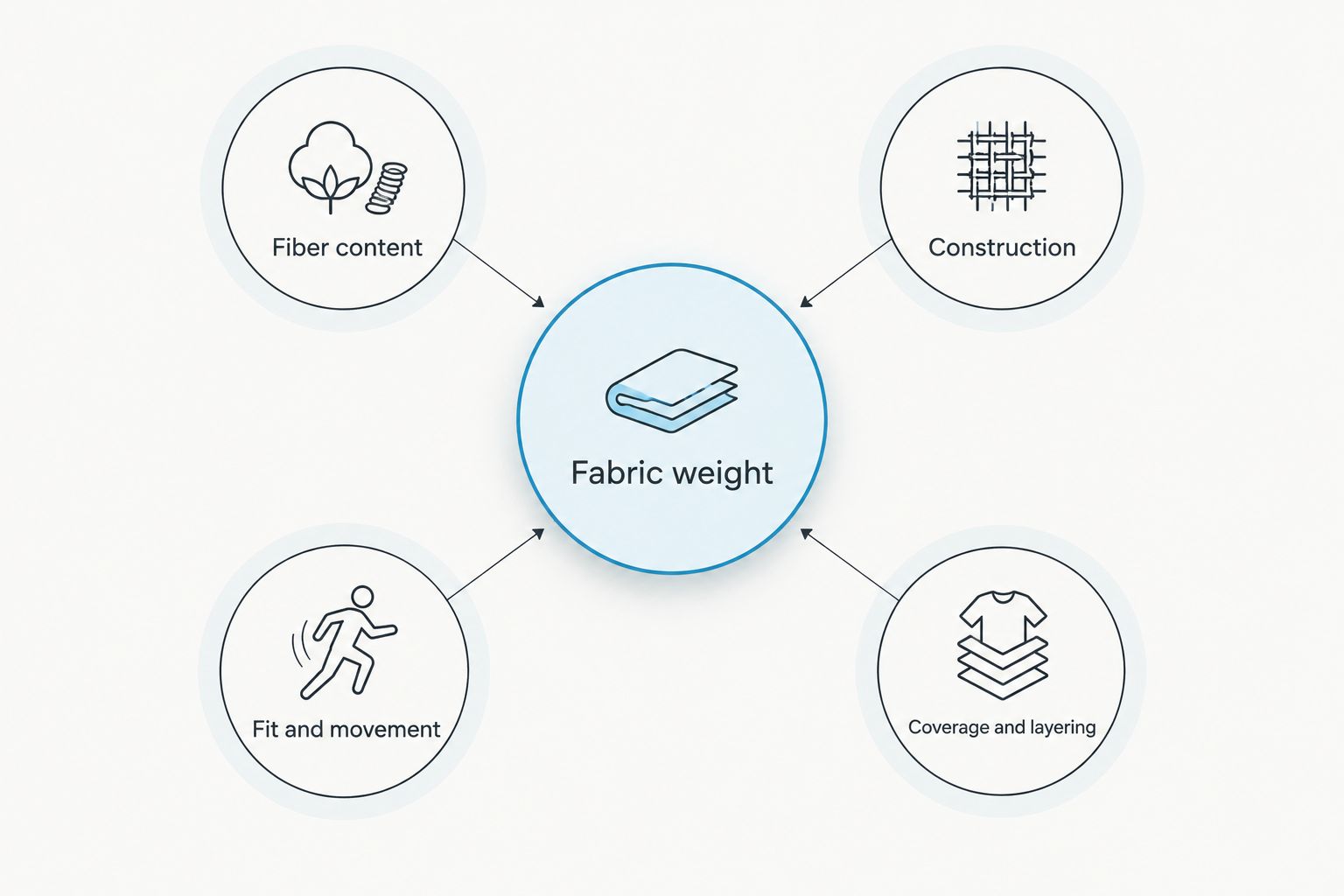
Judge each option against these criteria before choosing a weight:
- Fabric weight: Look for GSM or ounces per square yard, not just a lightweight label.
- Fiber content: Read the composition rather than assuming every graphic tee uses the same material.
- Construction: Check whether the garment uses jersey, fleece, or another fabric structure.
- Fit and movement: Allow enough room for reaching, sitting, and wearing another layer.
- Coverage and layering: Decide whether you need bare arms, sleeves, or a removable outer garment.
- Care requirements: Choose something you can maintain according to its garment label.
Weight answers one narrow question: how much a given area of fabric weighs. It does not answer every comfort question. Use the criteria together rather than letting a single number make the decision.
1. Midweight tee: best patriotic apparel for everyday layering
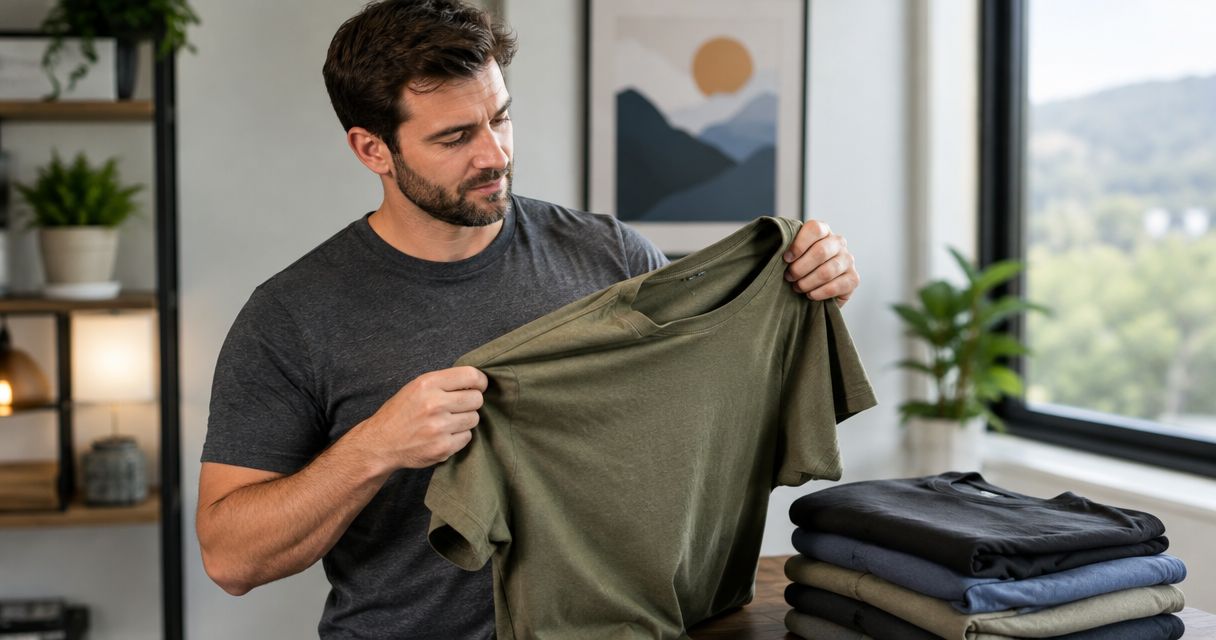
A midweight tee sits between the lighter and heavier options within a comparable fabric range. That middle position makes it the sensible starting point when you want a shirt to wear alone indoors and under another garment outdoors.
Choose the tee first. Add warmth with a separate layer rather than expecting one shirt to cover every condition in 2026.
Midweight tee pros:
- Offers a middle-ground choice when you dislike either extreme.
- Works as the base of a tee-and-hoodie outfit.
- Keeps your everyday shirt separate from your weather layer.
Midweight tee cons:
- The label has no universal numerical boundary.
- It is not automatically the right choice for strenuous exercise.
- It does not establish cold-weather protection.
Best for: Everyday wear with the option to add or remove a layer.
Check the listed composition and measurements before buying. Do not assign a shirt to this category based on its product photograph or graphic.
Verdict: Buy a documented midweight tee as your default everyday option.
2. Lightweight tee: best patriotic apparel for hot-weather wear
A lightweight tee uses less fabric mass per unit area than a heavier comparable tee. Choose this category when you want less fabric between you and the day, especially for casual warm-weather wear.
Keep the comparison fair. A lighter fabric is not automatically more breathable than every heavier fabric, because fiber and construction also affect how it wears.
Lightweight tee pros:
- Reduces fabric mass compared with a heavier equivalent.
- Gives you an alternative to a substantial standalone tee.
- Fits a wardrobe built around light base layers.
Lightweight tee cons:
- You need to check opacity rather than assume coverage.
- A lightweight label does not establish moisture management.
- Less fabric weight does not guarantee a softer feel.
Best for: Hot-weather casual wear when minimal fabric substance is your priority.
A sleeveless top is a separate decision. Removing sleeves changes coverage, not the weight of the fabric itself. Choose between a tee and a tank based on where you will wear it and how much coverage you want.
Verdict: Buy lightweight for heat-focused casual wear; skip assumptions about technical performance.
3. Heavyweight tee: best patriotic apparel for a substantial feel
A heavyweight tee contains more fabric mass per unit area than a lighter comparable tee. Choose it because you prefer that substance, not because a bigger weight number proves a better shirt.
Fabric strength, seams, finishing, and care still matter. A heavyweight label does not establish abrasion resistance or predict how long a graphic will last.
Heavyweight tee pros:
- Provides more fabric substance than a lighter equivalent.
- Gives shoppers who dislike thin-feeling shirts a clear category to investigate.
- Offers a standalone alternative to lighter layering tees.
Heavyweight tee cons:
- Adds fabric mass without proving better performance.
- Needs a movement check when worn beneath close-fitting layers.
- Does not replace protective workwear or weatherproof clothing.
Best for: Shoppers who specifically want a substantial everyday shirt.
For 2026 purchases, compare heavyweight shirts within similar fabric constructions. A heavyweight jersey tee and a fleece hoodie are different garments; their weight numbers alone do not make them interchangeable.
Verdict: Buy for a substantial feel; skip heavyweight if you are only chasing a higher number.
4. Light-to-midweight long sleeve: best for sleeve coverage
A long-sleeve shirt adds arm coverage without requiring a hooded garment. Its fabric can still be lightweight or midweight, so sleeve length and fabric weight must remain separate checks.
Choose this category when sleeves are the requirement. Do not treat ordinary long sleeves as certified sun protection or jobsite protection without the relevant stated specifications.
Long-sleeve shirt pros:
- Adds arm coverage while retaining a shirt format.
- Gives you an alternative to wearing a hoodie.
- Works beneath an outer layer when the fit allows.
Long-sleeve shirt cons:
- Sleeve length does not prove warmth.
- Cuffs and sleeves need checking under another garment.
- Ordinary apparel does not establish protective performance.
Best for: Casual wear where you want sleeves but not a hooded outer layer.
Compare the shoulder, chest, and sleeve measurements with a shirt you already wear. The guide to finding your true size in patriotic apparel covers the next decision after choosing your garment category.
Verdict: Buy for coverage; hold if you are expecting insulation from sleeve length alone.
5. Hoodie: best patriotic apparel for removable layering
A hoodie adds a separate garment over your tee. That makes it useful when the practical answer is to remove a layer indoors and put it back on outside.
Evaluate its construction before comparing weight. Brushed fleece and an unbrushed knit have different structures, and a hoodie designation alone does not specify either one.
Hoodie pros:
- Separates your base shirt from your additional layer.
- Lets you change your outfit without changing the tee.
- Adds sleeve and hood coverage.
Hoodie cons:
- Adds bulk beneath another outer garment.
- A pullover requires more effort to remove than an open-front layer.
- An ordinary hoodie does not establish wind or rain protection.
Best for: Cool-weather casual layering with a tee underneath.
For year-round use in 2026, choose a hoodie that fits over your preferred shirt without restricting movement. Keep weather protection as a separate requirement when you need it.
Verdict: Buy as an additional layer; skip it as a substitute for specified weather protection.
How to read fabric weight without getting fooled
GSM means grams per square meter. Ounces per square yard describe the same type of measurement in different units. Neither figure is the weight of the finished shirt.
The unit conversion is approximately 1 oz/yd² = 33.9 g/m². For illustration, 4 oz/yd² is about 136 g/m², and 6 oz/yd² is about 203 g/m². These are conversion examples, not published specifications for the products in this guide.
That distinction matters. A larger shirt contains more fabric than a smaller shirt made from the same material, but the fabric GSM stays the same. Weighing your whole shirt does not produce a comparable GSM figure.
Use this buying sequence:
- Confirm the unit. Separate ounces per square yard from ounces for the entire garment.
- Compare the construction. Keep jersey-to-jersey comparisons separate from fleece comparisons.
- Read the composition. Do not assume matching weights mean matching fibers.
- Check the fit. Confirm the shirt works alone and beneath your intended layer.
- Choose the role. Buy for your usual conditions, not an impressive-looking specification.
If a listing does not state a numerical weight, use its stated material and garment details. Do not reverse-engineer GSM from an image, a product name, or the word premium.
Grunt Style options: match the garment, then check the fabric
The Grunt Style Blackout Reaper T-Shirt - Black and Blackout Reaper Hoodie - Black provide a shirt-and-hoodie comparison using the same named design theme. Their supplied descriptions do not establish numerical fabric weights, so neither receives a GSM ranking here.
Women's Strength Through Suffering Flowy Tank - White is explicitly described as using lightweight fabric. That supports a lightweight description, but not an exact weight, moisture-management claim, or warmth rating.
| Product | Best for | Supported detail | Limitation |
|---|---|---|---|
| Blackout Reaper T-Shirt - Black | A Reaper-themed tee | Description identifies skull, stars, and stripes | Numerical fabric weight is not established |
| Blackout Reaper Hoodie - Black | A Reaper-themed hoodie | Hoodie version of the named design | Numerical fabric weight and insulation are not established |
| Women's Strength Through Suffering Flowy Tank - White | A lightweight sleeveless option | Description states lightweight fabric | Exact GSM and technical performance are not established |
Choose the format you need, then confirm the current fabric details before buying. These are relevant design and garment options, not evidence that one fabric outperforms another.


How we ranked
The order prioritizes everyday layering, then distinct needs: heat, fabric substance, sleeve coverage, and an additional outer layer. It uses garment roles and fabric-weight definitions rather than invented product measurements.
Midweight takes the default slot because it occupies the middle of the comparison. Lightweight and heavyweight move ahead when your specific preference makes either extreme the better choice.
Which patriotic apparel should you choose?
Choose a midweight tee first if you want an everyday starting point. Choose lightweight when heat and minimal fabric substance lead the decision, or heavyweight when you deliberately want a more substantial shirt.
Add long sleeves for coverage and a hoodie for removable layering. For your 2026 wardrobe, the stronger decision is a coordinated set of garment roles—not one shirt expected to do everything.
FAQ
What's the best patriotic shirt fabric weight for year-round wear?
A midweight tee is the default choice for everyday wear with seasonal layering. Choose lighter fabric for heat-focused wear and add a separate layer when you need more coverage.
What does GSM mean on a patriotic shirt?
GSM means grams per square meter of fabric. It measures fabric mass per unit area, not the weight of the finished shirt.
Is a heavyweight patriotic tee better than a lightweight tee?
Neither category is universally better. Heavyweight suits a preference for more fabric substance, while lightweight suits shoppers who want less fabric mass.
Does a higher GSM mean a shirt will last longer?
A higher GSM does not establish a longer service life. Fiber, construction, seams, finishing, and care also matter.
Can I compare hoodie GSM with T-shirt GSM?
You can compare fabric mass per unit area, but GSM alone cannot establish which garment is warmer. The fabric structure, coverage, and fit also need consideration.
Does Grunt Style publish a fabric weight for these featured products?
The product descriptions used in this guide do not establish numerical fabric weights for the featured products. The Women's Strength Through Suffering Flowy Tank - White description does identify its fabric as lightweight.
Can I calculate GSM by weighing my whole shirt?
Weighing a whole shirt does not directly establish its fabric GSM. The finished weight includes the garment's fabric area and other components, so different sizes are not directly comparable.
Should I choose fabric weight or fit first?
Choose the garment role, then check fabric details and fit together. A suitable weight does not compensate for shoulders, sleeves, or a chest measurement that restricts movement.
One last thing
The heavier finished shirt is not necessarily made from heavier fabric. Size, sleeves, a hood, and other components all affect total garment weight. Keep your comparison tied to fabric mass per unit area, then make sure the garment fits the job.