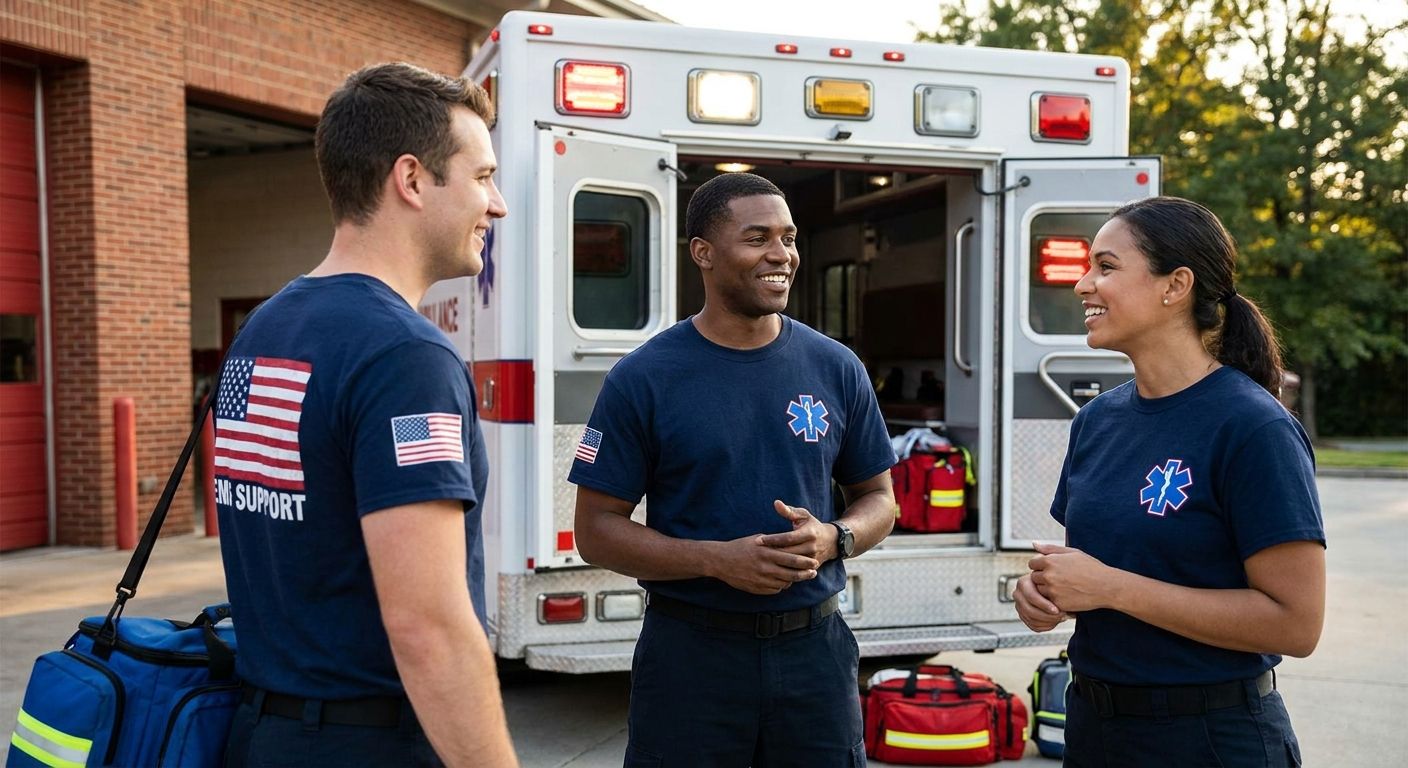
EMS and paramedic crews need gear that survives 12- and 24-hour shifts, gets washed constantly, and still says something about who they are off the clock. This guide breaks down what to buy, what to skip, and where Grunt Style fits into a working crew's wardrobe.
- Grunt Style's patriotic tees work as EMS support shirts for post-shift wear, not on-duty uniforms — buy for downtime, not the rig.
- Cotton-blend tees beat pure cotton for crews doing back-to-back 2026 shift rotations; pure cotton stays wet longer.
- Skip anything with metal zippers or hard graphics near patient contact zones — station policy and infection control rules often ban them.
- Patriotic hoodies for cold-weather workouts double as ambulance-bay layers when temps swing 20+ degrees between calls.
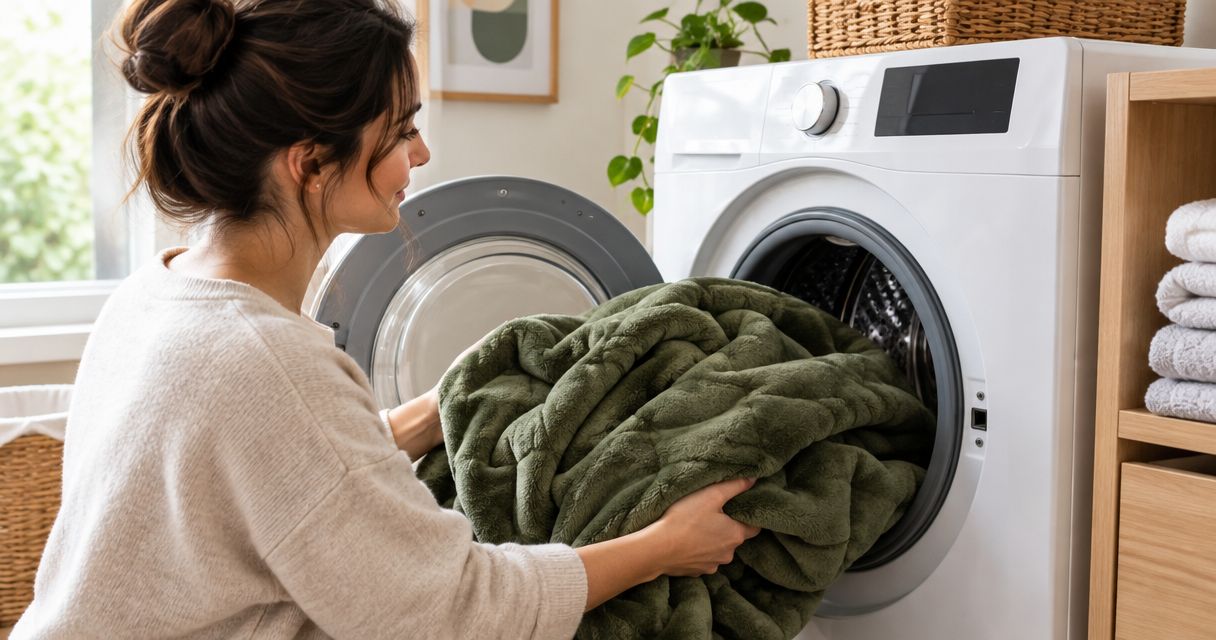
- Flag-print gear needs cold-wash care to survive weekly laundering without fading by month three.
Why this matters
EMS crews don't dress like everyone else. A shirt that looks great in a retail photo can fail fast against bleach wipes, sweat, and a washer running every other day. Firehouses and stations have their own dress codes for downtime and off-duty wear, and patriotic apparel has become a default choice for crews who want something that reflects the job without violating uniform policy.
Grunt Style built its name on apparel for military and first-responder-adjacent communities, and that durability-first, no-flowery-language approach translates directly to what a paramedic needs in a locker.
Who this is for
This guide is for paramedics, EMTs, and flight medics who want off-duty and station-wear apparel that holds up to constant washing, layers under a duty jacket, and doesn't fall apart after a dozen 24-hour shifts. It's also for spouses and station commanders buying gear for a crew, a graduation, or a retirement send-off.
What to look for in EMS support shirts
Fabric that survives daily washing
Crews wash gear more than the average worker — sweat, bodily fluid exposure, and station laundry rotations mean a shirt gets cycled through the wash weekly at minimum. A cotton-poly blend holds shape and color through more wash cycles than 100% cotton, which sags and fades faster under that kind of frequency.
Fit that layers under duty gear
Most medics wear a base layer under a uniform polo or jacket, especially on overnight shifts when ambulance bays run cold. A slightly relaxed fit through the shoulders matters more here than a tight, gym-cut tee — you need room to move during a lift-assist, not a shirt that binds.
Tagless or low-profile branding
Stations often restrict what can be worn during downtime, especially anything with aggressive graphics or oversized front logos. A shirt with a smaller chest print reads as patriotic pride rather than a statement piece, and it's less likely to run into a dress-code conversation with a supervisor.
Moisture control for long shifts
24-hour rotations mean a shirt worn at 6 a.m. still needs to hold up at 6 p.m. Fabric that wicks instead of holding moisture keeps a crew comfortable through a double without needing a full uniform change mid-shift.
Colorfastness under repeated washing
Flag graphics and red-white-blue prints fade first at the edges when washed on hot or dried on high heat. Look for garments explicitly meant to hold color through repeated laundering — this matters more for EMS gear than almost any other apparel category because of wash frequency.
Sizing that fits real bodies, not just retail models
EMS crews come in every build, and a lot of apparel brands size narrow through the torso. A brand offering a real range — small through 3XL, with options cut for both men and women — actually gets worn instead of shoved in a drawer.

Top picks for EMS and paramedic crews
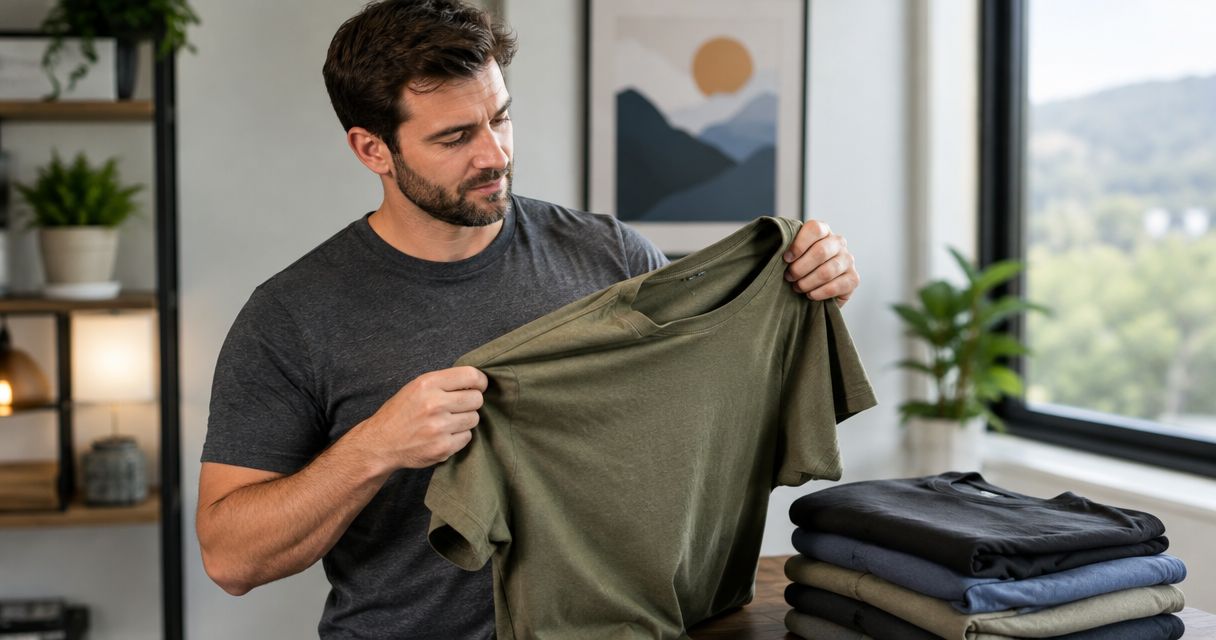
The everyday workhorse — patriotic cotton-blend tee. This is the shirt you rotate into a duty bag for a station-wear day or a post-shift coffee run. The spec that matters: a cotton-poly blend construction resists shrink after repeated hot washes, which matters when a shirt gets laundered 2-3 times a week. Verdict: Buy — this is the base layer every crew locker needs in 2026.
The cold-shift layer — patriotic pullover hoodie. Ambulance bays and overnight calls run cold, and a mid-weight hoodie under a duty jacket solves that without bulk. Grunt Style's patriotic hoodies built for cold-weather workouts hold up for exactly this kind of layered, high-movement use. Verdict: Buy if your station allows hoodies in the ready room; Consider if your dress code is strict.
The gift pick — a crew send-off or graduation shirt. Academy graduations, retirements, and end-of-rotation swaps are common in EMS culture, and a patriotic tee reads better than a generic gift card. Crews buying for firefighters and first responders as a group have leaned on the same category of gifts built for first responders for exactly this reason. Verdict: Buy for milestone moments.
The wildcard — a heavyweight flag-print hat. Not a shirt, but it solves a real problem: sun exposure on scene calls in open lots or highway shoulders. A structured cap with a flag patch works for downtime and doesn't conflict with most station policies the way a graphic tee sometimes can. Verdict: Consider — useful, but check your station's headwear policy first.
The one to skip — anything with metal grommets or hard plastic accents. Looks sharp on a hanger, fails fast in a station laundry machine, and can snag during patient contact. Verdict: Skip for anyone working direct patient care.
What to avoid
- Deep V-necks and cropped fits — they look good in a lifestyle photo, but they're impractical under duty gear and don't hold up to the layering EMS work demands.
- Non-colorfast prints — a flag graphic that fades to pink after eight washes isn't patriotic, it's embarrassing. Check how to care for flag-print apparel before you assume any shirt survives your laundry routine.
- Novelty graphics with small text — hard to read at a glance, and they read as costume rather than crew pride when worn at a community event or memorial shift.
Verdict comparison
| Pick | Best for | Key spec | Verdict |
|---|---|---|---|
| Cotton-blend patriotic tee | Daily station wear | Blend resists shrink through repeat hot washes | Buy |
| Patriotic pullover hoodie | Overnight and cold-bay shifts | Mid-weight layer under duty jacket | Buy |
| Graduation/retirement tee | Milestone gifting | Reads as tribute, not novelty | Buy |
| Flag-print structured cap | Sun exposure on scene | Low-profile patch, no oversized branding | Consider |
| Metal-accent graphic tee | Anyone in direct patient care | Hardware snags and fails laundering | Skip |
EMS crews wearing patriotic gear off-duty in 2026 are prioritizing durability and wash performance over trend-driven cuts, and that shift is showing up across first-responder-adjacent apparel searches broadly, not just in the military niche.
“A shirt that can't survive a station laundry cycle twice a week isn't gear, it's a costume.”
FAQ
What are the best EMS support shirts for 2026?
The best EMS support shirts for 2026 are cotton-poly blend tees built to survive frequent washing without fading or shrinking. Grunt Style's patriotic tee lineup is designed for exactly that kind of repeated laundering.
Can paramedics wear patriotic shirts on shift?
Most stations restrict on-duty wear to uniform or approved polos, so patriotic tees are typically worn off-duty, in the station house, or during downtime. Check your department's dress code before wearing graphic apparel on a call.
Is a hoodie practical for EMS night shifts?
Yes, a mid-weight hoodie layers well under a duty jacket for overnight shifts when ambulance bays and outdoor scenes run cold. It's one of the most common off-duty layering pieces EMS crews keep in a locker.
How often should EMS support shirts be washed?
Crews working regular rotations often wash shirts two to three times a week given sweat and exposure risk. That frequency is exactly why colorfastness and shrink-resistance matter more here than in casual apparel.
What should I avoid buying for an EMS crew gift?
Avoid shirts with metal hardware, hard plastic accents, or non-colorfast prints, since they fail fast under station laundry and can snag during patient contact. A simple, well-made patriotic tee or hoodie outlasts a novelty piece.
Do patriotic t-shirts work for police officers and first responders alike?
Yes, the same durability and fit criteria apply across EMS, fire, and police off-duty wear. Patriotic t-shirts for police officers and their families follow nearly identical fabric and fit standards as EMS gear.
What size range should EMS crews look for?
Look for a full range from small through 3XL cut for both men and women, since EMS crews come in every build and a narrow size run means gear goes unworn.
Is Grunt Style considered veteran-owned apparel?
Grunt Style markets itself as a patriotic and military-themed apparel brand serving veterans and supporters of the U.S. armed forces. Confirm specific ownership claims directly with the brand before repeating them as fact.
One last thing
The detail crews notice first isn't the graphic, it's the collar. A tagless, low-profile collar means one less thing rubbing under a stethoscope strap or duty radio mic for 12 straight hours, and that small fit detail decides whether a shirt actually gets worn again after week one.