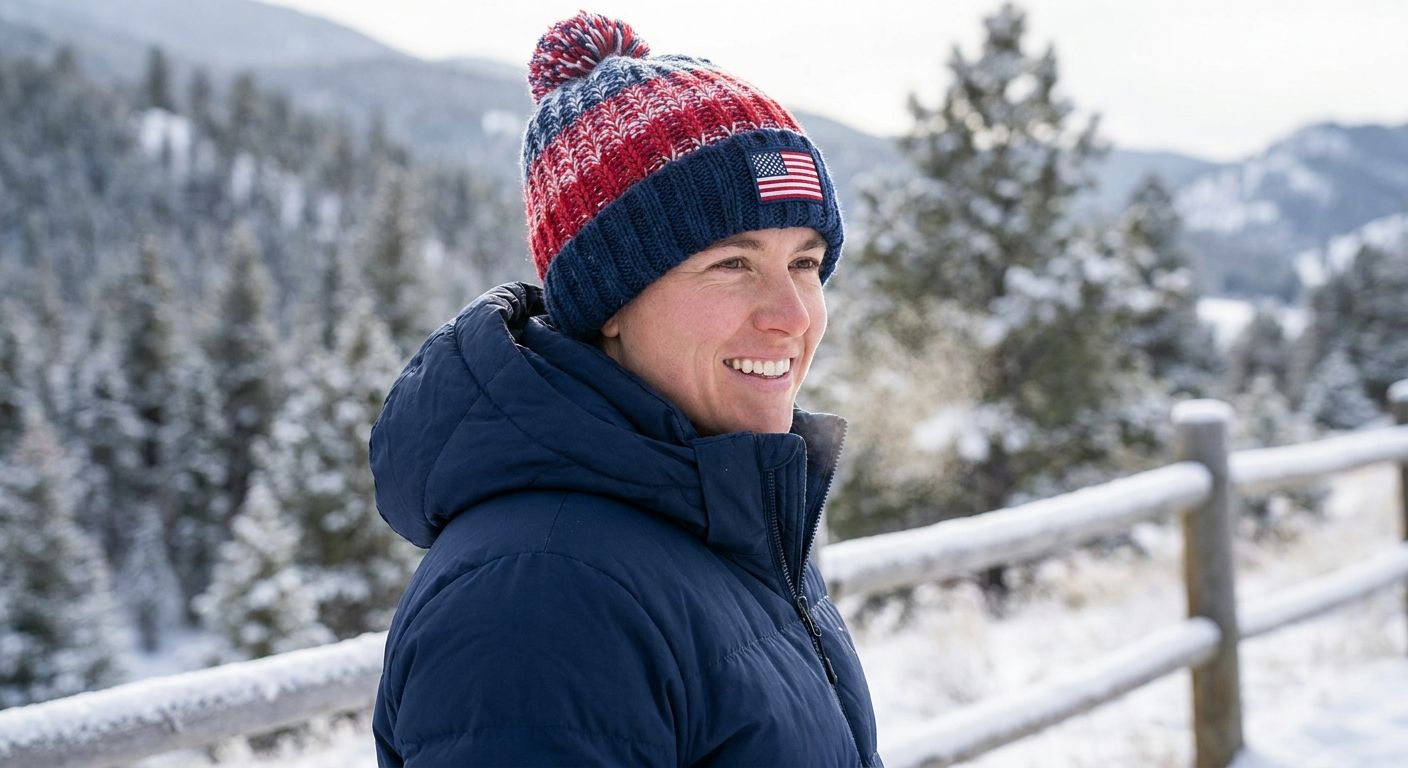
Cold-weather patriotic beanie shoppers need two things from a hat that most fashion beanies don't deliver: real warmth for a full tailgate, hunt, or shift outside, and a flag or emblem that reads as pride, not costume. Hunters, gun-range regulars, tailgaters, and anyone working outside through winter 2026 have different fabric and fit needs than someone grabbing a beanie for a quick fall walk.
- A ribbed knit patriotic beanie is the safest everyday pick for cold-weather shoppers in 2026 — buy acrylic or wool blend.
- Fleece-lined patriotic beanies beat plain knit for hunting, gun range day, and long outdoor shifts; skip cotton, it holds moisture.
- Pom beanies suit tailgates and festivals more than deer camp or PT sessions where a hood needs to seal tight.
- Pair your beanie with a hood-ready patriotic hoodie for a real cold-weather layering system, not a standalone hat.
Why a patriotic beanie matters for cold-weather dressers
A beanie bought for a mild October evening usually fails by December. Cold-weather patriotic dressers spend hours outside at a time — deer camp before sunrise, a full slate of tailgate games, a gun range session in freezing wind — and the hat has to survive that exposure without losing shape or fading.
Flag prints and star fields also take more visual abuse in winter. Snow glare, wind, and repeated hood friction wear a cheap print faster than a summer cap ever would. Grunt Style builds patriotic gear around that kind of daily wear, which is why the beanie choice has to line up with what you're actually doing outside, not just what looks good in a photo.
The segment also layers differently than a casual buyer. A patriotic hoodie for winter only works with a beanie that fits under the hood — bulk in the wrong spot ruins both pieces at once.
Update your fabric standard
Cotton beanies feel fine walking to the truck. They fail outdoors for an hour or more because cotton holds sweat and stays wet against your scalp, which speeds up heat loss.
- Choose acrylic knit for everyday warmth without bulk
- Choose a wool blend for longer exposure — deer camp, tailgate lots, gun range mornings
- Skip pure cotton beanies for anything past a 30-minute errand
- Check the tag for fleece lining if you're buying for sub-freezing mornings
- Avoid novelty knits with loose weave — they let wind through at the crown
Check for fleece lining before you buy
Fleece lining changes a beanie from a fashion piece to a functional one. It adds a thin barrier between the knit and your scalp that cuts wind penetration at the seams, which matters most for stationary activities like hunting or range shooting where you're not generating body heat by moving.
- Fleece-lined beanies for stand-still cold: hunting, range day, tailgate parking lots
- Unlined knit for high-movement cold: walking a stadium concourse, PT sessions
- Look for lining that covers the ear band, not just the crown
- Confirm the lining doesn't add so much bulk it won't fit under a hood
- Test stretch — fleece-lined beanies run tighter than unlined knit in the same size
Pick a fit that layers under a hood
This is where most cold-weather patriotic dressers get it wrong. A beanie that fits great on its own can be too thick to fit under a hoodie hood, which forces a choice between the hat or the hood on the coldest days.
- Try the beanie under your actual hood before buying a second one
- Slouch and pom styles add bulk at the crown — expect a tighter hood fit
- Cuffed short beanies sit lowest-profile and layer easiest under hoods
- If you already own patriotic hoodies for cold weather workouts, match beanie thickness to that specific hood cut
- Fold-cuff knit gives you an adjustable profile — roll it down for hood clearance, up for max ear coverage
Confirm the flag print holds up to weather
Embroidered stars and stripes outlast printed graphics in cold, wet conditions. Screen prints on knit fabric crack faster once they've been through repeated freeze-thaw cycles and hood friction.
- Prioritize embroidered flag details over flat screen print for winter-heavy use
- Check stitch density on the emblem — loose stitching unravels faster in cold
- Avoid vinyl or heat-transfer graphics on knit — they crack in low temperatures
- Ask if the beanie is machine washable cold, since that's the safest care method for printed knit
Choose cuffed vs. slouch based on activity
The silhouette isn't just style — it changes how the beanie performs. A cuffed beanie stays snug and doesn't shift, which matters for anything involving movement or a rifle stock. A slouch beanie trades that snugness for a looser, more casual look.
- Cuffed beanies: gun range day, hunting, PT, running in cold
- Slouch beanies: tailgates, everyday wear, photos, layering under a loose hood
- Pom beanies: festivals and tailgate parties where visibility and style matter more than a tight seal
- Short cuffed knit: best all-around choice if you're only buying one beanie for 2026
Layer the beanie with the rest of your cold-weather system
A beanie alone doesn't solve cold weather — it's one piece of a system that includes a base layer, a hoodie, and often a neck gaiter. Cold-weather patriotic dressers who treat the beanie as the whole solution end up cold at the ears or the neck no matter how good the hat is.
- Pair a cuffed beanie with a zip hoodie for hands-free warmth adjustment
- Add a neck gaiter for wind-exposed activities like tailgating or range day
- Match colors across pieces rather than mixing prints, which reads cleaner in photos
- Check how to layer patriotic hoodies for fall if you're building a full system, not just buying one hat
Wash and store it right so the colors don't fade
Flag prints and embroidered stars fade fastest from heat, not from wear. Dryer heat and hot water do more damage to a patriotic beanie over one winter than a full season of outdoor use.
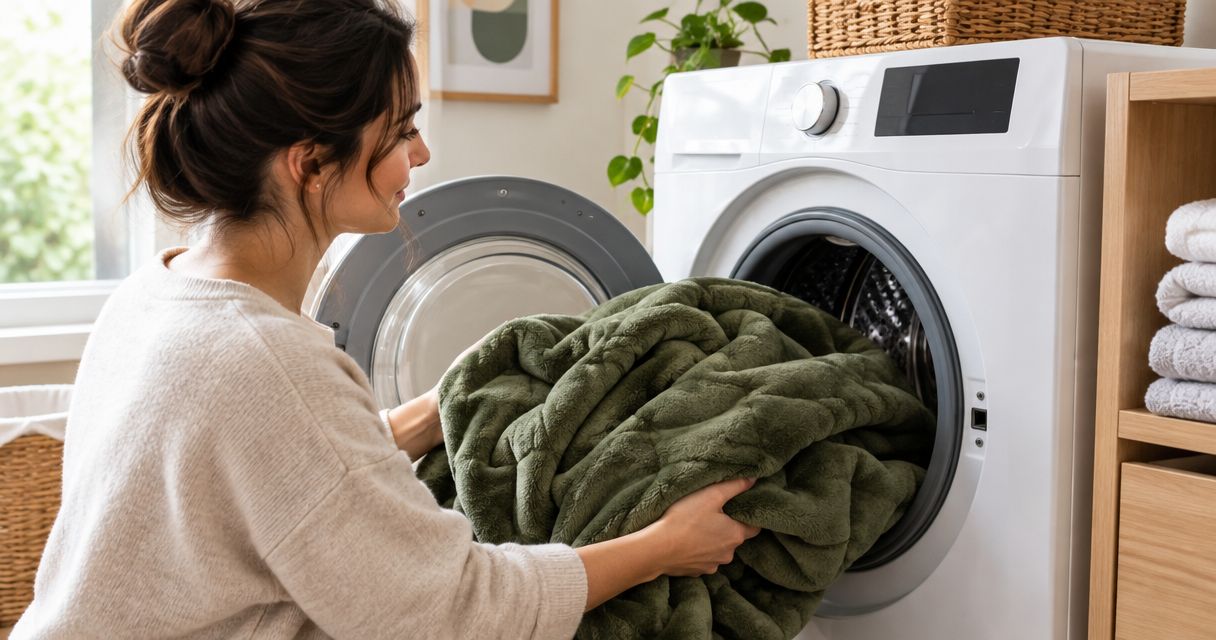
- Wash cold, inside out, to protect the print or embroidery
- Air dry flat — a hot dryer is the single fastest way to fade red and blue dye
- Store flat or on a hook, not crumpled in a drawer, to hold shape at the crown
- Skip fabric softener on fleece-lined beanies — it flattens the lining over time
Comparison: beanie styles for cold-weather patriotic dressers
| Option | Best For | Key Limitation |
|---|---|---|
| Ribbed knit beanie | Everyday cold, driving, errands | Less wind block than fleece-lined |
| Fleece-lined beanie | Hunting, gun range, long outdoor stretches | Bulkier fit under a hood |
| Pom beanie | Tailgates, festivals, photos | Pom can shift or catch on hood strings |
| Slouch beanie | Casual wear, layering under a loose jacket hood | Loose fit shifts in high wind |
| Cuffed short beanie | PT workouts, running in cold | Less ear coverage than full-length knit |
The verdict for most cold-weather patriotic dressers in 2026: a cuffed, fleece-lined patriotic beanie in a wool blend is the one style that covers hunting, tailgates, and range day without a wardrobe of three separate hats.
Common mistakes cold-weather patriotic dressers make
- Buying cotton for all-day outdoor work. It holds sweat and chills you faster once you stop moving.
- Choosing a pom beanie for hunting or shooting. The pom can interfere with a hood seal or a cheek weld against a stock.
- Ignoring hood compatibility. A beanie that's too thick forces a choice between the hat and the hood on the coldest days.
- Drying flag-print beanies on high heat. That's the fastest way to fade red and blue dye in a single season.
- Assuming one beanie style covers every activity. Tailgate gear and hunting gear have different fit and fabric needs.
FAQ
What's the best patriotic beanie for cold weather in 2026?
A cuffed, fleece-lined patriotic beanie in a wool blend is the best all-around choice for 2026 — it covers hunting, tailgating, and range day without needing a second hat. Ribbed knit works fine for shorter, everyday cold exposure.
Is a fleece-lined beanie warmer than a regular knit beanie?
Yes, fleece lining adds a wind barrier at the scalp that plain knit doesn't have. It matters most for stationary cold, like hunting or standing at a tailgate lot, more than for high-movement activities.
Should I buy a pom beanie for hunting or the gun range?
No, skip the pom for hunting or shooting. The pom can shift, catch on a hood, or interfere with a cheek weld against a rifle stock, so a cuffed knit beanie works better for those activities.
Does a patriotic beanie fit under a hoodie hood?
A cuffed, low-profile beanie fits under most hoods without a problem. Slouch and pom styles add bulk at the crown and often force a looser, less protective hood fit.
How do I keep a flag print beanie from fading?
Wash it cold and inside out, then air dry flat instead of using a hot dryer. Heat is the fastest cause of color fade on printed or embroidered flag graphics.
Is cotton okay for a winter beanie?
Cotton is fine for a short errand but a poor choice for all-day outdoor cold. It holds sweat and moisture, which cools your scalp faster than acrylic or wool blends.
What beanie style works best for tailgate parties?
A slouch or pom beanie works well for tailgates since visibility and style matter more than a tight athletic fit. Pair it with a patriotic hoodie for a complete cold-weather look.
How many patriotic beanies do I actually need for winter?
One cuffed, fleece-lined beanie covers most cold-weather activities through 2026. A second slouch or pom style is worth adding only if tailgates or festivals are a regular part of your winter.
One last thing
If you only buy one patriotic beanie this winter, make it a fleece-lined, cuffed style you can layer under a hood — a bulky slouch or pom beanie looks great in one setting and fights your hood in every other one. Check hood clearance with your actual hoodie before you commit to a style, not after.