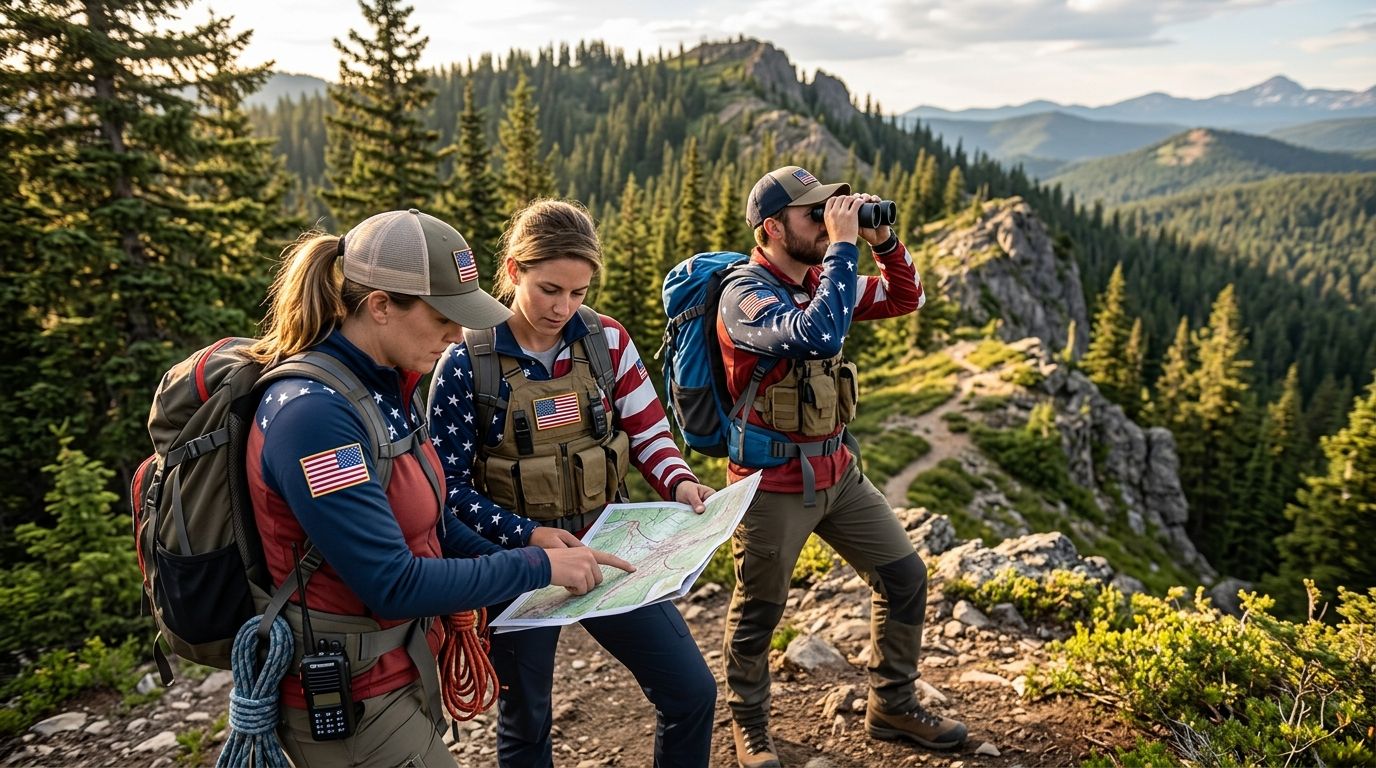
Patriotic apparel for search and rescue volunteers is gear that pairs flag-inspired or team-branded graphics with the visibility and durability field callouts demand, built to identify a volunteer fast and survive mud, brush, and repeat washing. A SAR kit answers to weather and terrain before it answers to style — a shirt has to work at 2 a.m. in a wash of headlamps before it works as a statement piece at a fundraiser.
- Patriotic apparel for search and rescue volunteers should prioritize high-visibility color over flag graphics on scene.
- Grunt Style's Safety Green long sleeve and 3-pack cover daily wear and team stock without ordering delays.
- Layer a full-zip hoodie over base shirts for cold overnight searches and staging-area waits.
- Standardize team apparel colors before ordering flag-print gear for fundraisers or public callouts.
- Wash gear per the care label to keep flag prints from cracking after repeated field use.
Why patriotic apparel matters for search and rescue volunteers
Search and rescue teams organize through county sheriff's offices, mountain rescue units, and K9 SAR nonprofits, and most of the apparel budget comes out of volunteers' own pockets rather than a department line item. That changes what "best" means here: the shirt has to double as a public-facing uniform at a trailhead briefing and hold up through the actual search that follows it.
Teams that skip a color standard end up with a roster wearing five different shades of red, white, and blue in a dark parking lot, and that's a coordination problem before it's a wardrobe one. Grunt Style builds its patriotic line around exactly this kind of hard-use, high-visibility need, which is why safety colors show up alongside flag graphics rather than instead of them.
How to build a search and rescue apparel kit that holds up
Set a team color standard before you order anything
Decide the base color and graphic placement before a single order goes out, or you'll be reordering within a season.
- Pick one base color per unit — navy, black, or safety green — and stick to it
- Assign flag graphic placement (chest logo vs. sleeve patch) so gear reads the same across the roster
- Require the standard color at all public events, not just field callouts
- Put the standard in writing so new volunteers order the right thing on day one
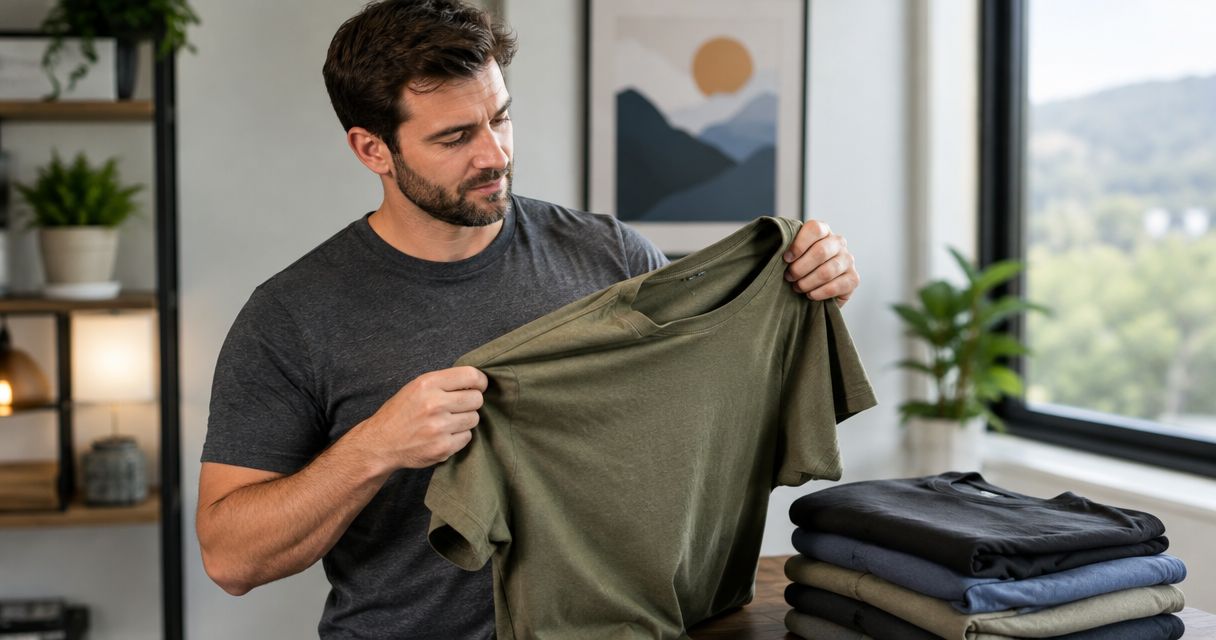
Choose base layers built for dirt, sweat, and repeat washing
A shirt that looks sharp in a fundraiser photo and falls apart after three washes isn't SAR gear, it's a liability.
- Cotton-poly blends resist pilling under pack straps and radio harnesses
- Darker base colors hide trail dirt between washes
- Mid-weight tees layer under a shell without bunching at the shoulders
- Skip thin single-layer decals — they crack under repeated washing faster than woven or puff prints
Layer for temperature swings on scene
SAR shifts run long, and the temperature at a 6 p.m. staging area rarely matches the temperature at midnight.
- Keep a full-zip hoodie in the truck for overnight waits and post-search debriefs
- A zip front lets you vent without pulling the whole layer off over a radio harness
- Stock one hoodie per volunteer rather than sharing a team supply
- Pick a hoodie with an interior chest pocket for ID tags or a radio clip
Grunt Style's Basic Full-Zip Hoodie in Dark Heather Gray fits this role — mid-weight, zip-front, built for all-day wear rather than a single tailgate.
Add high-visibility pieces for roadside and night operations
Most missing-person searches run into low light — dawn pushes, overnight operations, roadside grid searches near traffic — and a navy shirt doesn't help anyone spot you fast.
- Safety green or safety orange over navy for roadside and river searches
- Reserve reflective vests for command staff so the visibility hierarchy stays clear
- Standardize one hi-vis long sleeve per volunteer for low-light call-outs
- Pair hi-vis layers with a base color that doesn't wash out under headlamps
Many fire and EMS crews build the same visibility-first wardrobe before they touch a flag graphic — see how it plays out in gear for firefighters and first responders. Grunt Style's Basic Long Sleeve in Safety Green covers this need directly: bright enough to spot at range, tough enough for brush and repeat washing.
Standardize fundraiser and public-event apparel separately from field gear
Flag-print tees belong at the 5K, the open house, and the awareness fundraiser — not necessarily on the search line.
- Use flag-print or unit-crest tees for public-facing events
- Keep field gear and event gear as two separate orders
- Order team-branded apparel from a supplier that can size the whole roster consistently
- Budget one fundraiser shirt design per year so the team stays recognizable in photos and press
Stock multi-packs to outfit a full roster without per-order delay
A 20-volunteer roster ordering one shirt at a time means somebody's always waiting on gear before a callout.
- A 3-pack cuts per-shirt ordering time for teams above 15-20 members
- Keep two sizes up and down in team stock for last-minute recruits
- Store extras in the response vehicle, not a locker back at the station
- Rotate stock seasonally so hi-vis layers don't sit unused through summer
Grunt Style's Basic Long Sleeve Safety Green 3-Pack solves the roster math directly — three shirts, one order, no waiting on individual sizing.
Care for gear so colors and prints survive repeat callouts
A flag graphic that cracks after five washes isn't representing anybody.
- Wash inside out in cold water to protect printed graphics
- Skip fabric softener on moisture-wicking base layers — it breaks down the wicking finish
- Air dry graphic tees instead of running high heat
- Follow the printed care label over habit, especially on safety-green fabric that's dyed to spec


Comparing patriotic apparel options for search and rescue teams in 2026
| Option | Best for | Key limitation |
|---|---|---|
| Grunt Style Basic Full-Zip Hoodie (Dark Heather Gray) | Cold overnight staging and post-search debriefs | Not high-visibility on its own |
| Grunt Style Basic Long Sleeve (Safety Green) | Roadside and low-light searches | Single layer, needs a base underneath in freezing temps |
| Grunt Style Basic Long Sleeve 3-Pack (Safety Green) | Outfitting a full volunteer roster in one order | Ships in one colorway only |
| Generic flag-print cotton tee | Fundraisers and public events | Thinner cotton wears faster under pack straps and repeat washing |
Verdict: buy safety-green layers first for field visibility, then add flag-print apparel for the fundraiser table — not the other way around.
Common mistakes search and rescue teams make with apparel
- Ordering flag-print tees before confirming a team color standard, then showing up mismatched at the trailhead
- Buying graphics rated for a tailgate crowd, not an overnight search near freezing
- Skipping high-visibility colors because navy "looks more patriotic"
- Ordering one size run and running out mid-season as new volunteers join
- Treating fundraiser apparel and field apparel as the same order
FAQ
What's the best patriotic apparel for search and rescue volunteers in 2026?
A safety-green or safety-orange long sleeve paired with a full-zip hoodie covers both daytime field visibility and cold overnight shifts in 2026. Save flag-print tees for fundraisers and public events, not active searches.
Is safety green or navy better for search and rescue apparel?
Safety green wins for field visibility, especially during dawn, dusk, and overnight operations near roads or water. Navy or black works fine for command staff and off-duty team apparel.
How much does it cost to outfit a search and rescue team with patriotic apparel?
Cost depends on roster size and whether you order multi-packs versus individual shirts. Check current pricing on the site before budgeting a full-roster order.
Do search and rescue teams need reflective vests or just bright-colored shirts?
Reflective vests are typically reserved for command staff directing traffic or coordinating a scene. Bright base-layer shirts in safety green or orange cover general team visibility without the added bulk.
Can flag-print apparel be worn during an actual search operation?
It can, but it shouldn't be the only layer — flag graphics don't add visibility the way safety colors do. Wear flag-print gear at fundraisers and public events, and keep hi-vis layers for the field.
How do you keep patriotic apparel from fading after repeated washing?
Wash graphic tees inside out in cold water and skip fabric softener on moisture-wicking layers. Air drying instead of high heat protects printed graphics through more washes.
What size run should a SAR team stock for its volunteer roster?
Keep at least one size up and one size down in team stock beyond your current roster's sizes. New volunteers join mid-season, and multi-packs make restocking faster than one-off orders.
Is Grunt Style apparel durable enough for field search work?
Grunt Style's long sleeves and hoodies use cotton-poly blends built for all-day wear, which holds up to pack straps, brush, and repeat washing better than thin single-layer graphic tees.
One last thing
Most missing-person searches run into low light at some point — dawn pushes, overnight grid searches, roadside work near traffic — which is exactly when a flag graphic does nothing for team safety and a safety-green shirt does everything. Stock the hi-vis long sleeve in the truck before the fundraiser tee ever gets ordered; 2026 rosters that skip this step are the ones standing mismatched in a dark parking lot at the next callout.